
Linear Guides

Linear Guides

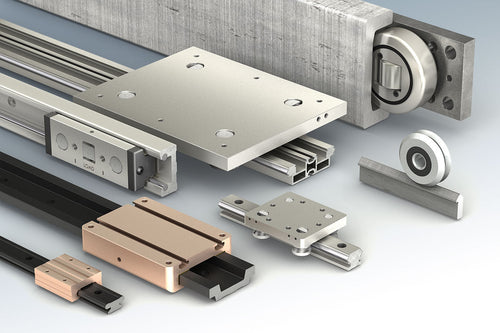
Linear guides are motion systems that pair one or more linear rails with carriages to support loads and provide smooth, low-friction motion along a single axis, or one degree of freedom, using sliding contact or rolling elements. A linear rail is the straight guide track that the carriage travels along, providing the path, support surface, and alignment needed for controlled linear movement. Linear guides from PBC Linear are made in the USA around three core technologies—Gliding Surface Technology, V-Rail Technology, and Cam Roller Technology (CRT)—each optimized for specific application demands while maintaining high rigidity, alignment, and long travel. Gliding Surface Technology uses self-lubricating guides sliding on FrelonGold® liners to eliminate metal-to-metal contact, providing quiet, maintenance-free operation with strong resistance to extreme temperatures, dirt, debris, vibration, and washdown conditions, as used in Mini-Rail® miniature linear rail guides and Uni-Guide™ linear slides. V-Rail Technology uses hardened or stainless steel raceways with self-aligning V-wheels for smooth rolling motion and simplified alignment in systems such as V-Guide™ and IVT (Integral V Technology). Cam Roller Technology (CRT) uses rolling-element carriages on hardened raceways embedded within durable linear rails to support higher loads, longer travel, and higher speeds, as found in Commercial Rail, Redi-Rail®, and heavy-duty Hevi-Rail® systems. Recirculating ball profile rail guides provide high rigidity and load capacity for precision applications. In cantilevered load applications, adherence to the 2:1 binding rule remains an important design consideration, with rolling-element guides generally offering greater tolerance compared to sliding-contact systems.

More About Linear Guides

Ways to Order

Catalog Preview
Web Catalog Web Catalog Download PDF Download PDF Video Video Features Features

Browse Categories

807 products
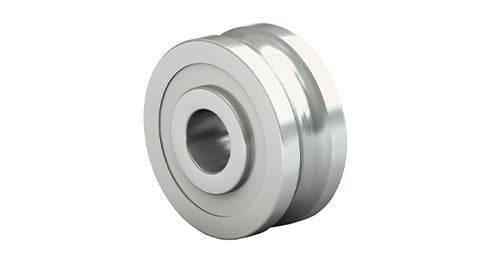
Gothic Arch track roller bearing from the PBC Linear metric-series track roller lineup, featuring a 5mm bore and a 16mm maximum outer diameter. The roller's outer race is ground with a Gothic arch (four-point contact) profile, allowing it to ride smoothly and self-align along a hardened steel shaft or raceway..
$27.09
Gothic Arch track roller bearing from the PBC Linear metric-series track roller lineup, featuring a 8mm bore and a 24mm maximum outer diameter. The roller's outer race is ground with a Gothic arch (four-point contact) profile, allowing it to ride smoothly and self-align along a hardened steel shaft or raceway..
$39.52
Gothic Arch track roller bearing from the PBC Linear inch-series track roller lineup, featuring a 0.375in bore and a 1.21in maximum outer diameter. The roller's outer race is ground with a Gothic arch (four-point contact) profile, allowing it to ride smoothly and self-align along a hardened steel shaft or raceway..
$15.74
Gothic Arch track roller bearing from the PBC Linear metric-series track roller lineup, featuring a 5mm bore and a 16mm maximum outer diameter. The roller's outer race is ground with a Gothic arch (four-point contact) profile, allowing it to ride smoothly and self-align along a hardened steel shaft or raceway..
$22.88
Gothic Arch track roller bearing from the PBC Linear inch-series track roller lineup, featuring a 0.1875in bore and a 0.771in maximum outer diameter. The roller's outer race is ground with a Gothic arch (four-point contact) profile, allowing it to ride smoothly and self-align along a hardened steel shaft or raceway..
$10.83
Gothic Arch track roller bearing from the PBC Linear inch-series track roller lineup, featuring a 0.1875in bore and a 0.771in maximum outer diameter. The roller's outer race is ground with a Gothic arch (four-point contact) profile, allowing it to ride smoothly and self-align along a hardened steel shaft or raceway..
$34.62
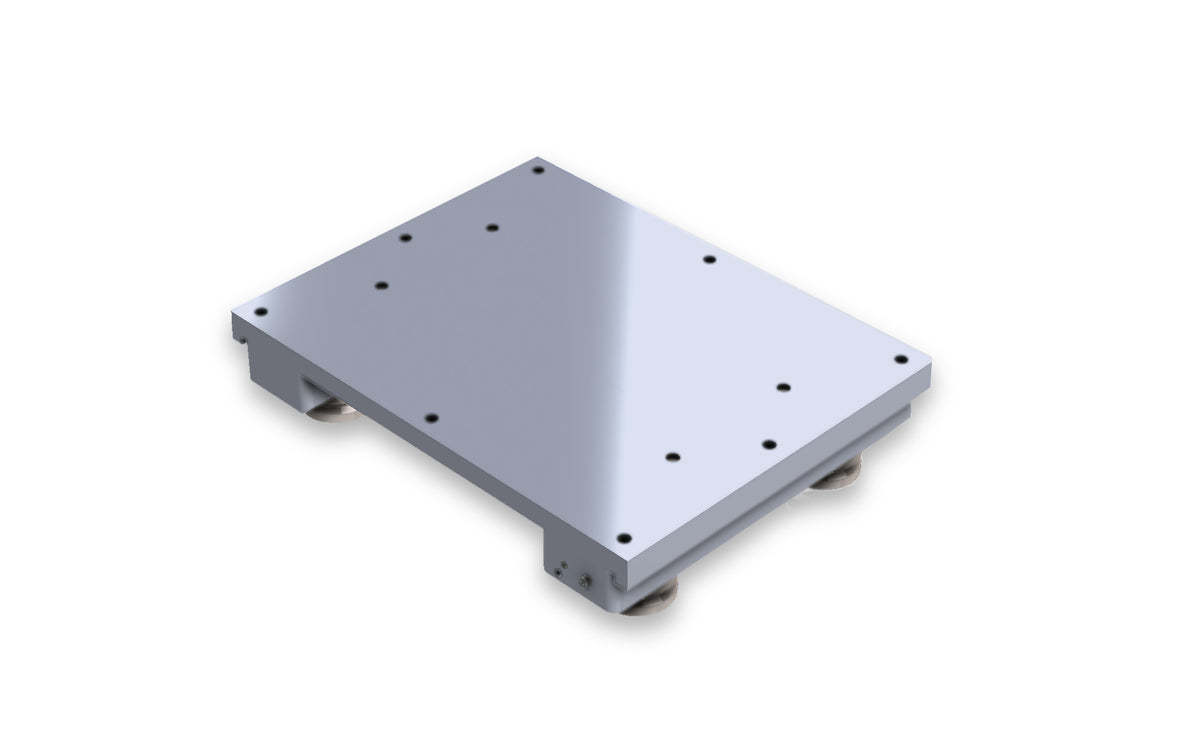
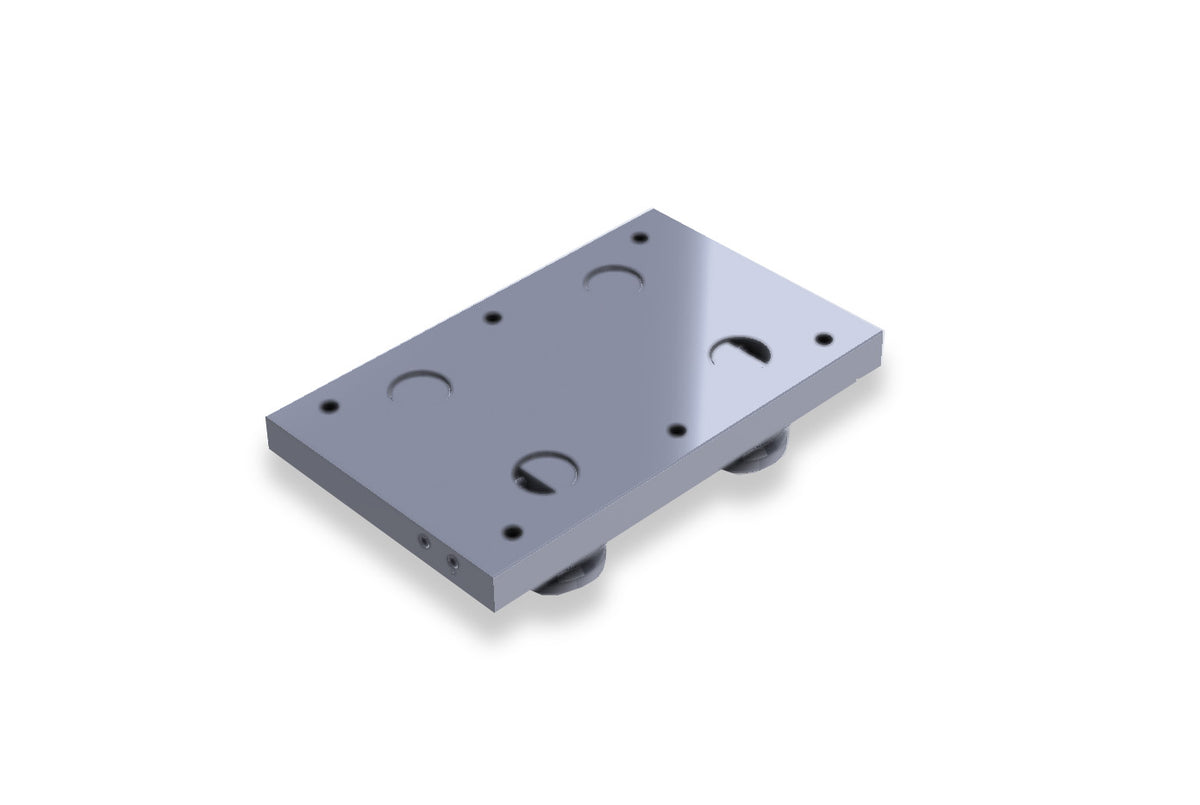
Integral-V Linear Carriage IVTABKC-A20A0, a flat plate anodized aluminum carriage with sealed rollers and side (CAM) adjustable preload for use with IVTABK series rails. Compatible rails: IVTABKR-0400-000, IVTABKR-0800-000, IVTABKR-1200-000 Carriage length: standard
$496.71
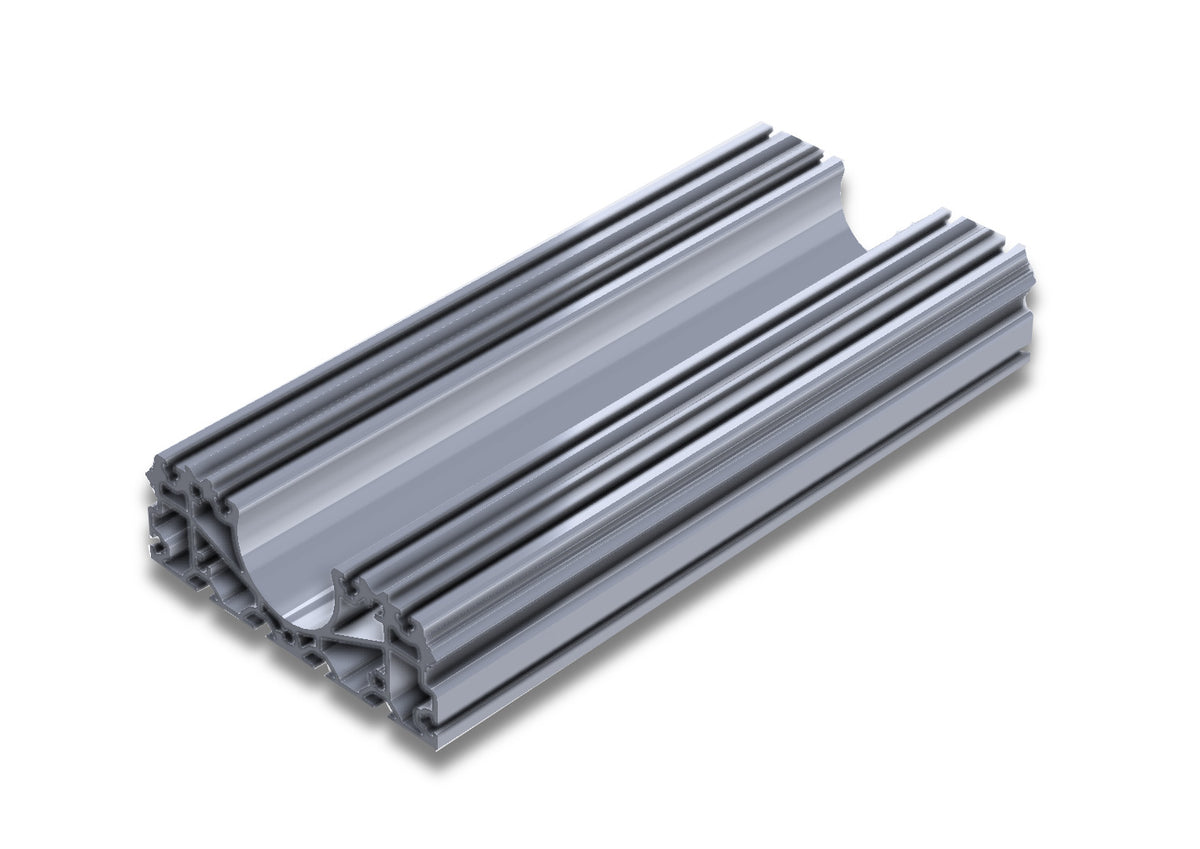
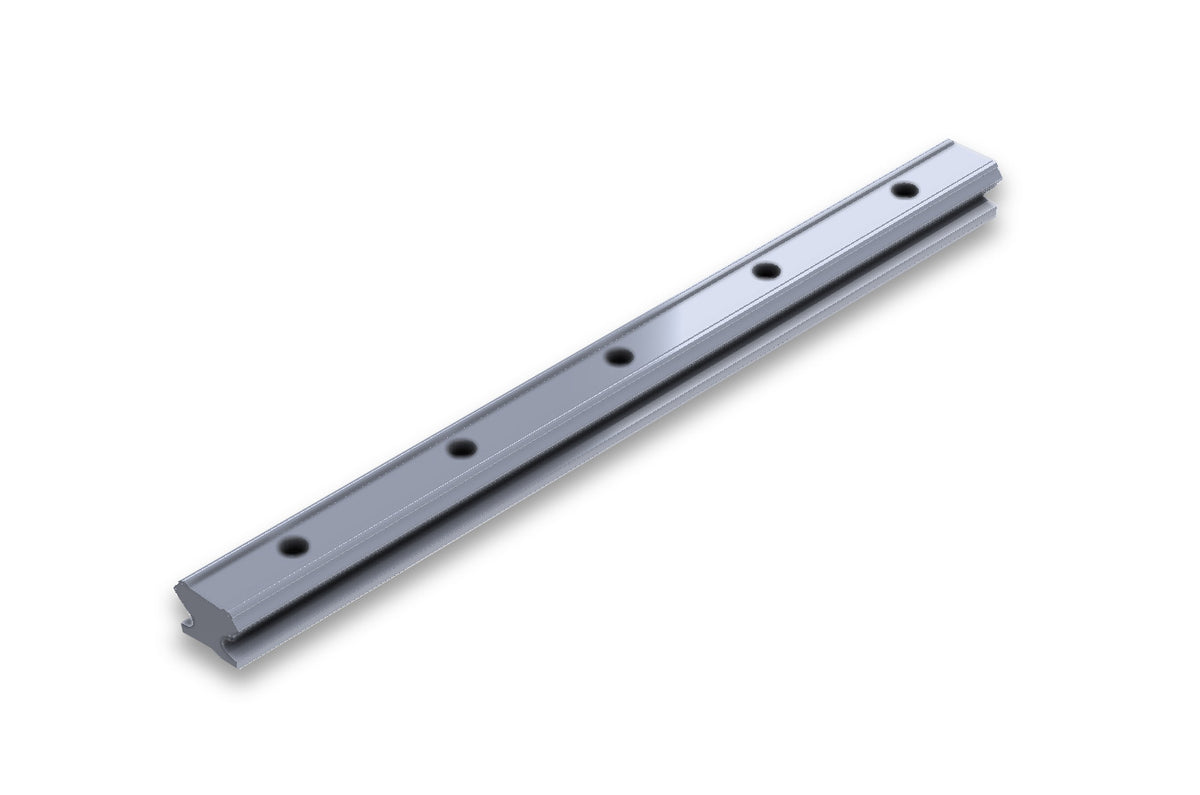
Integral-V Linear Rail IVTABKR-1200-000, a 1200mm anodized aluminum rail with hardened stainless steel V-raceways embedded directly into the rail profile. Compatible with IVTABKC-A20A0 carriage. Compatible carriage: IVTABKC-A20A0 For custom first hole offset, please configure
$1,198.48
Integral-V Linear Rail IVTABKR-0800-000, a 800mm anodized aluminum rail with hardened stainless steel V-raceways embedded directly into the rail profile. Compatible with IVTABKC-A20A0 carriage. Compatible carriage: IVTABKC-A20A0 For custom first hole offset, please configure
$798.98
Integral-V Linear Rail IVTABKR-0400-000, a 400mm anodized aluminum rail with hardened stainless steel V-raceways embedded directly into the rail profile. Compatible with IVTABKC-A20A0 carriage. Compatible carriage: IVTABKC-A20A0 For custom first hole offset, please configure
$399.49
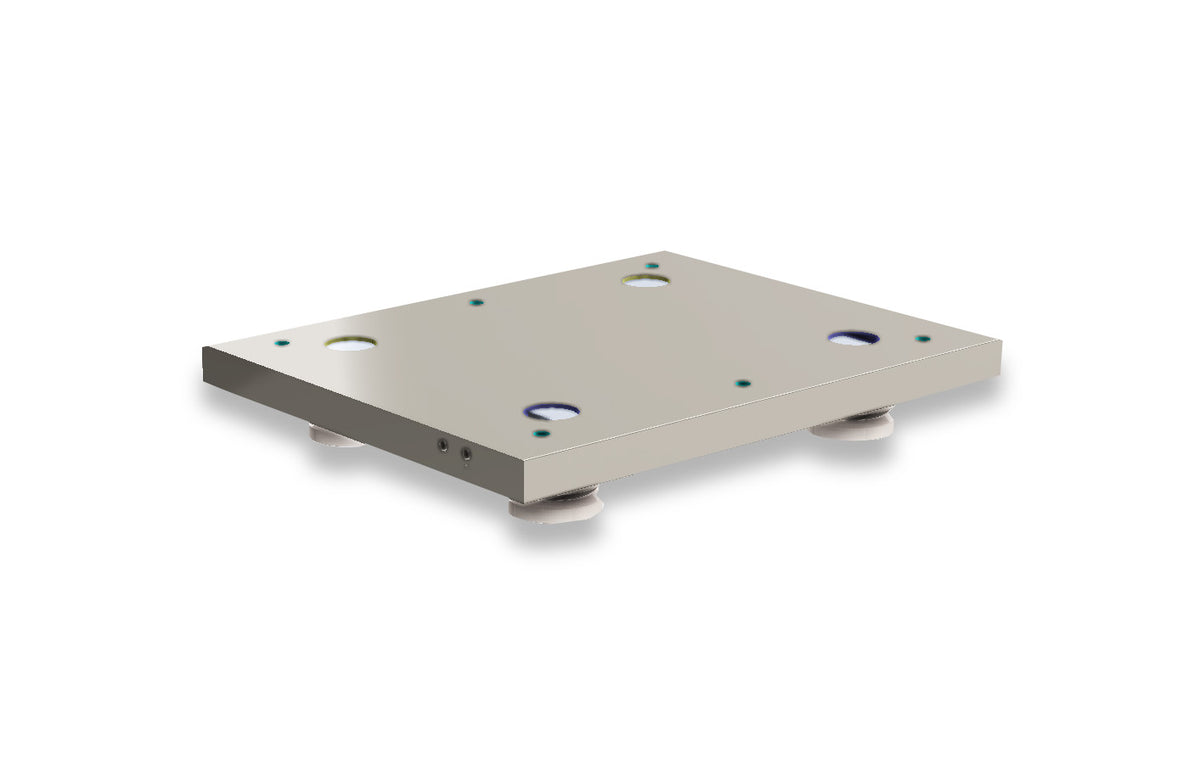
Integral-V Linear Carriage IVTAAWC-A20A0, a flat plate anodized aluminum carriage with sealed rollers and side (CAM) adjustable preload for use with IVTAAW series rails. Compatible rails: IVTAAWR-0400-000, IVTAAWR-0800-000, IVTAAWR-1200-000 Carriage length: standard
$264.28
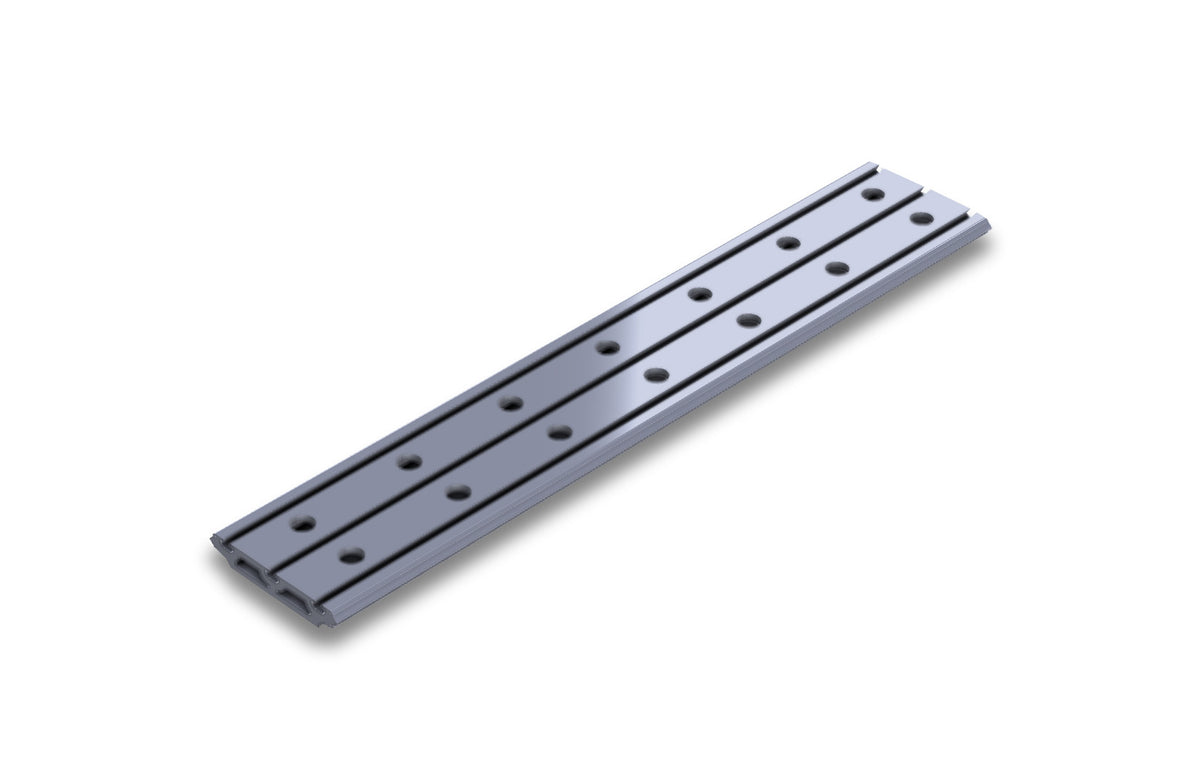
Integral-V Linear Rail IVTAAWR-1200-000, a 1200mm anodized aluminum rail with hardened stainless steel V-raceways embedded directly into the rail profile. Compatible with IVTAAWC-A20A0 carriage. Compatible carriage: IVTAAWC-A20A0 For custom first hole offset, please configure
$187.61
Integral-V Linear Rail IVTAAWR-0800-000, a 800mm anodized aluminum rail with hardened stainless steel V-raceways embedded directly into the rail profile. Compatible with IVTAAWC-A20A0 carriage. Compatible carriage: IVTAAWC-A20A0 For custom first hole offset, please configure
$125.07
Integral-V Linear Rail IVTAAWR-0400-000, a 400mm anodized aluminum rail with hardened stainless steel V-raceways embedded directly into the rail profile. Compatible with IVTAAWC-A20A0 carriage. Compatible carriage: IVTAAWC-A20A0 For custom first hole offset, please configure
$62.54
Integral-V Linear Carriage IVTAAQC-A20A0, a flat plate anodized aluminum carriage with sealed rollers and side (CAM) adjustable preload for use with IVTAAQ series rails. Compatible rails: IVTAAQR-0550-000, IVTAAQR-1100-000, IVTAAQR-1600-000 Carriage length: standard
$389.04
Integral-V Linear Rail IVTAAQR-1600-000, a 1600mm anodized aluminum rail with hardened stainless steel V-raceways embedded directly into the rail profile. Compatible with IVTAAQC-A20A0 carriage. Compatible carriage: IVTAAQC-A20A0 For custom first hole offset, please configure
$412.88
Integral-V Linear Rail IVTAAQR-1100-000, a 1100mm anodized aluminum rail with hardened stainless steel V-raceways embedded directly into the rail profile. Compatible with IVTAAQC-A20A0 carriage. Compatible carriage: IVTAAQC-A20A0 For custom first hole offset, please configure
$283.86
Integral-V Linear Rail IVTAAQR-0550-000, a 550mm anodized aluminum rail with hardened stainless steel V-raceways embedded directly into the rail profile. Compatible with IVTAAQC-A20A0 carriage. Compatible carriage: IVTAAQC-A20A0 For custom first hole offset, please configure
$141.93
Integral-V Linear Rail IVTAAGR-1200-000, a 1200mm anodized aluminum rail with hardened stainless steel V-raceways embedded directly into the rail profile. Compatible with IVTAABC-A20A0 carriage. Compatible carriage: IVTAABC-A20A0 For custom first hole offset, please configure
$243.98
Integral-V Linear Rail IVTAAGR-0800-000, a 800mm anodized aluminum rail with hardened stainless steel V-raceways embedded directly into the rail profile. Compatible with IVTAABC-A20A0 carriage. Compatible carriage: IVTAABC-A20A0 For custom first hole offset, please configure
$162.66

Linear Guides

807 products

Linear guides are motion systems that pair one or more linear rails with carriages to support loads and provide smooth, low-friction motion along a single axis, or one degree of freedom, using sliding contact or rolling elements. A linear rail is the straight guide track that the carriage travels along, providing the path, support surface, and alignment needed for controlled linear movement. Linear guides from PBC Linear are made in the USA around three core technologies—Gliding Surface Technology, V-Rail Technology, and Cam Roller Technology (CRT)—each optimized for specific application demands while maintaining high rigidity, alignment, and long travel. Gliding Surface Technology uses self-lubricating guides sliding on FrelonGold® liners to eliminate metal-to-metal contact, providing quiet, maintenance-free operation with strong resistance to extreme temperatures, dirt, debris, vibration, and washdown conditions, as used in Mini-Rail® miniature linear rail guides and Uni-Guide™ linear slides. V-Rail Technology uses hardened or stainless steel raceways with self-aligning V-wheels for smooth rolling motion and simplified alignment in systems such as V-Guide™ and IVT (Integral V Technology). Cam Roller Technology (CRT) uses rolling-element carriages on hardened raceways embedded within durable linear rails to support higher loads, longer travel, and higher speeds, as found in Commercial Rail, Redi-Rail®, and heavy-duty Hevi-Rail® systems. Recirculating ball profile rail guides provide high rigidity and load capacity for precision applications. In cantilevered load applications, adherence to the 2:1 binding rule remains an important design consideration, with rolling-element guides generally offering greater tolerance compared to sliding-contact systems.

Features and Specifications of Linear Guide Types

Cam Roller Linear Guides
V-Rail Linear Guide Systems
Gliding Surface Linear Guides
Linear Actuators (Linear Guides with Motors or Hand Cranks)

Frequently Asked Questions

What are linear guides?
Linear guides are mechanical systems that support and control motion along a straight path using rails and moving carriages. They are designed to carry loads with controlled friction, alignment, and stability over a defined travel distance in both industrial and automation applications.
How do linear guides work?
Linear guides use either sliding or rolling contact between a carriage and a rail to enable motion. Sliding systems rely on low-friction liner materials that eliminate metal-to-metal contact, while rolling systems use wheels or recirculating ball elements to reduce resistance and support higher speeds or loads.
What is the difference between sliding and rolling linear guides?
Sliding linear guides use self-lubricating surfaces that eliminate metal on metal contact to provide quiet, maintenance-free operation and perform well in dirty or harsh environments. Rolling linear guides use wheels or ball bearings to achieve lower friction, higher speeds, and greater load capacity for precision applications.
Which linear guide is best for dirty or contaminated environments?
Sliding-contact linear guides are generally better for dirty or contaminated environments because they are less sensitive to debris and do not rely on exposed rolling elements. Many designs use engineered liners that continue to operate reliably even with dirt, moisture, or washdown conditions.
Which linear guide is best for high precision applications?
Recirculating ball profile rail guides are commonly used for high precision applications because they provide high rigidity, repeatability, and load capacity with minimal deflection under load.
What are V-groove linear guides?
V-groove linear guides use V-shaped wheels that run along matching rails or raceways. This design allows for self-alignment, smooth motion, and tolerance of minor misalignment, making installation easier in many industrial systems.
What are cam roller linear guides?
Cam roller linear guides use rolling-element wheels mounted on bearings that travel along hardened raceways. They are designed to handle higher loads, longer travel distances, and higher speeds in demanding industrial and material handling applications.
Do linear guides require lubrication?
Rolling-element linear guides typically require periodic lubrication to maintain performance and service life, while sliding-contact guides often use self-lubricating materials that reduce or eliminate the need for external lubrication.
What factors should be considered when selecting a linear guide?
Key factors include load capacity, speed, required precision, environmental conditions, installation alignment, and maintenance requirements, as well as whether the application benefits more from sliding or rolling contact technology.
What is the difference between linear guides and linear bearings?
Linear guides use rail-based systems with integrated carriages to provide higher rigidity, alignment, and longer travel, while linear bearings are typically mounted on round shafts and used as individual components in simpler or more compact designs.