

Lead Screw Linear Actuators – Captive & Non-Captive
Ways to Order


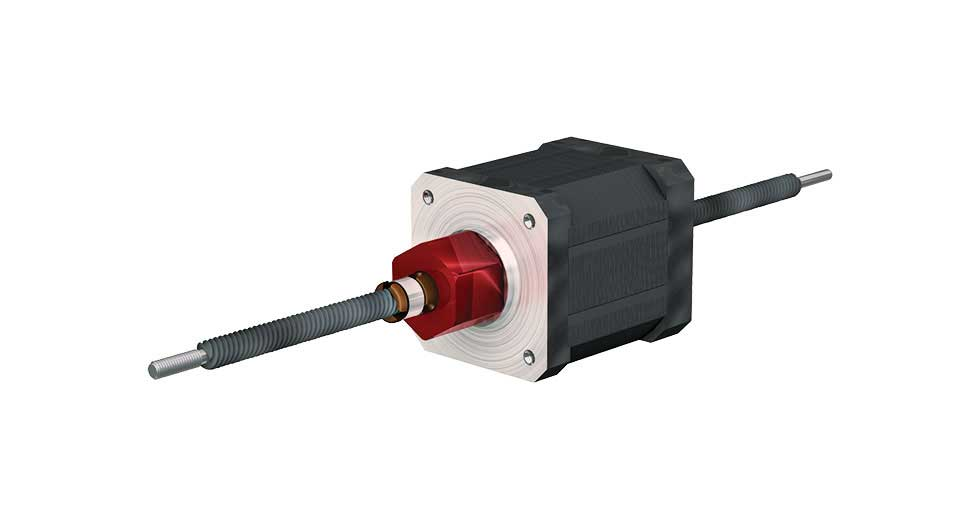
Lead Screw Linear Actuator - LSR0601T-0200-NCF141-NNN-NNN - Non-Captive NEMA14 Motor, Length: 200mm
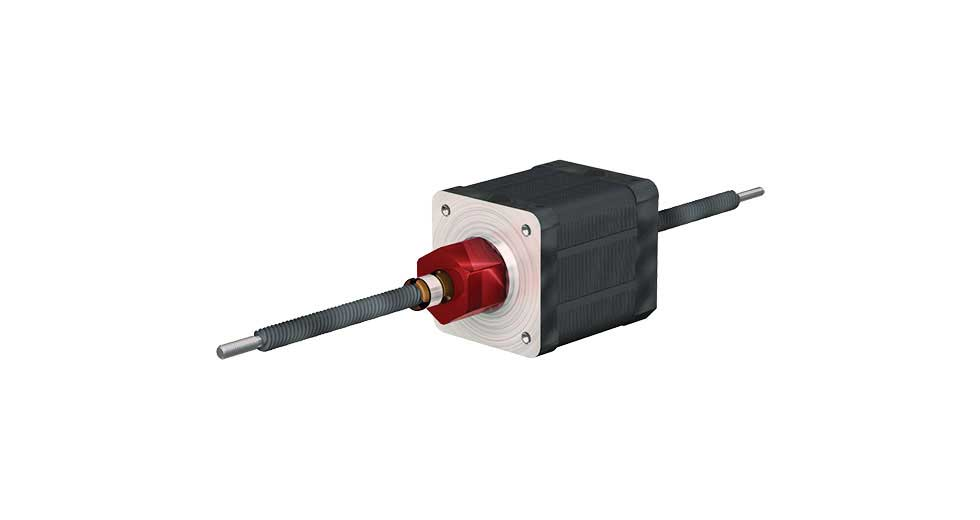
Lead Screw Linear Actuator - LSR18050T-08.00-NCF111-NNN-NNN Length: 8" NEMA 11 Motor Non-Captive
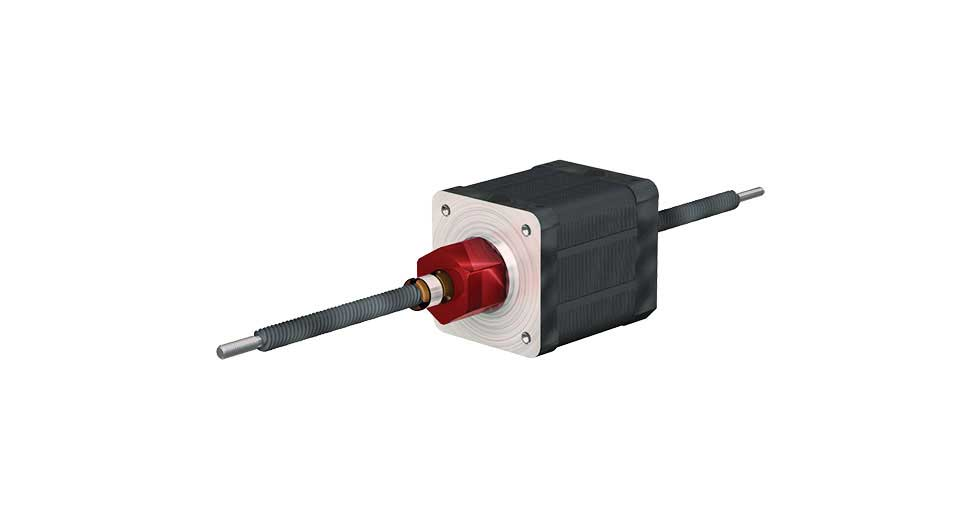
Lead Screw Linear Actuator - LSR18005T-08.00-NCF111-NNN-NNN Length: 8" Non-Captive NEMA 11 Motor
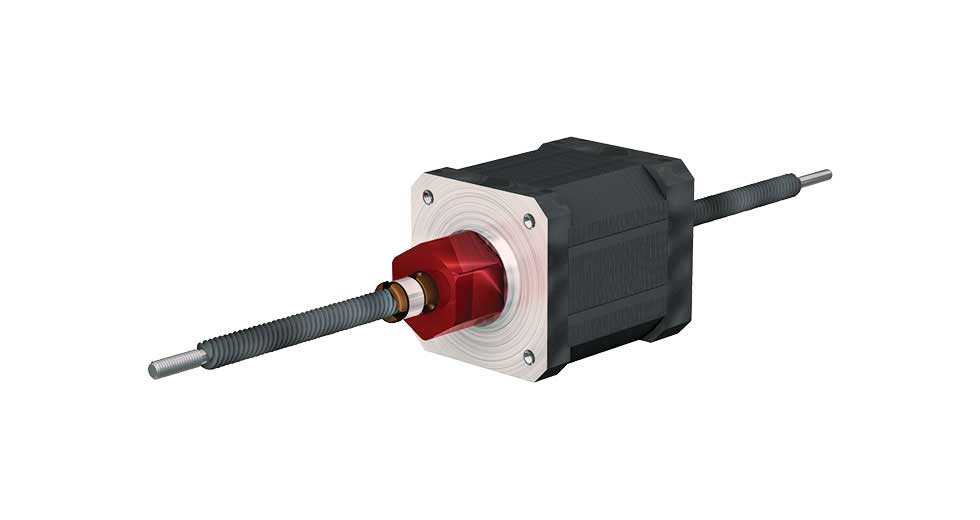
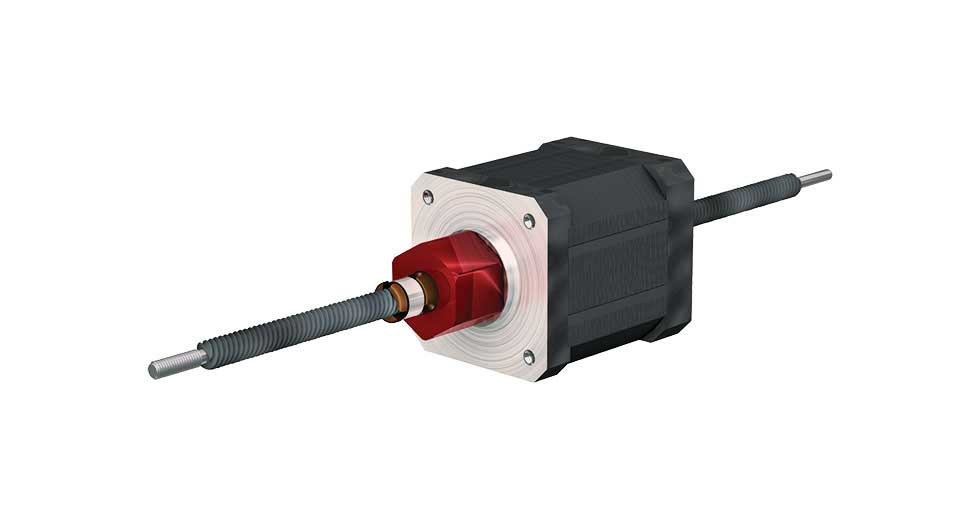
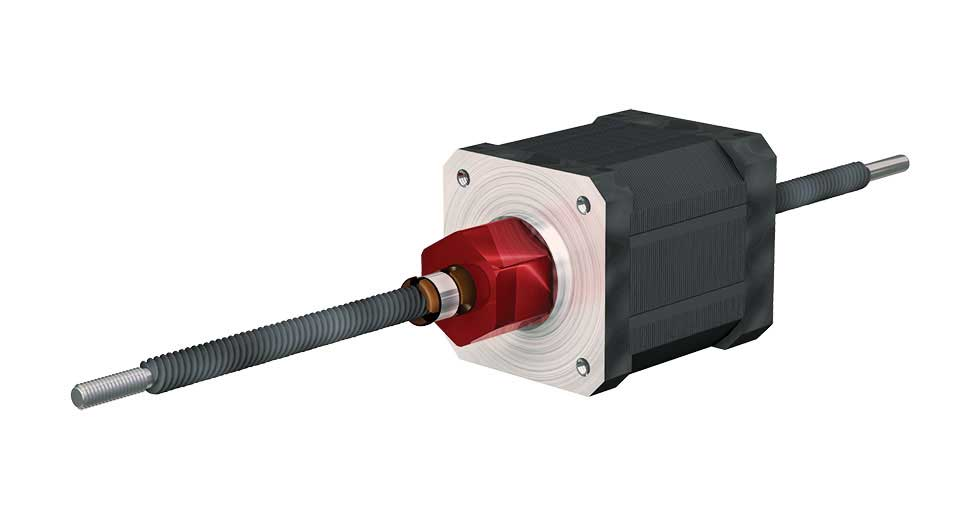
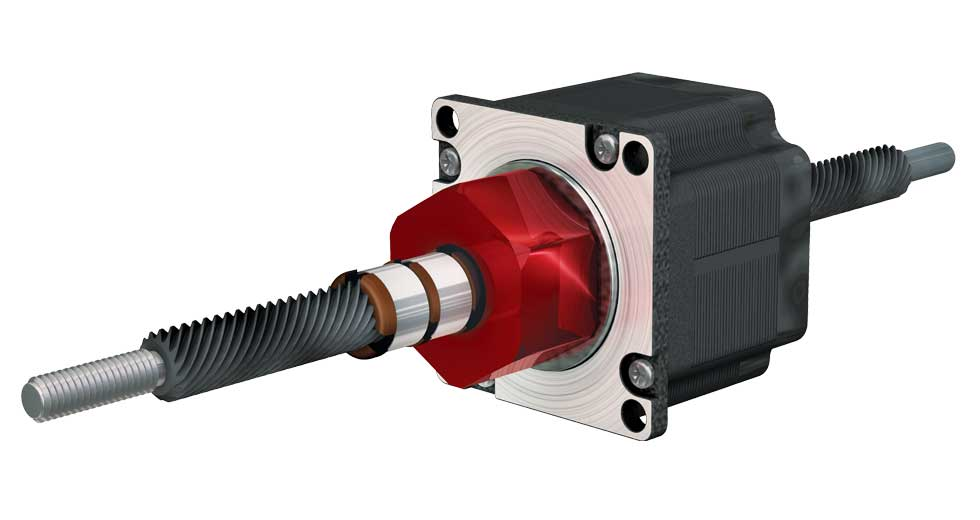
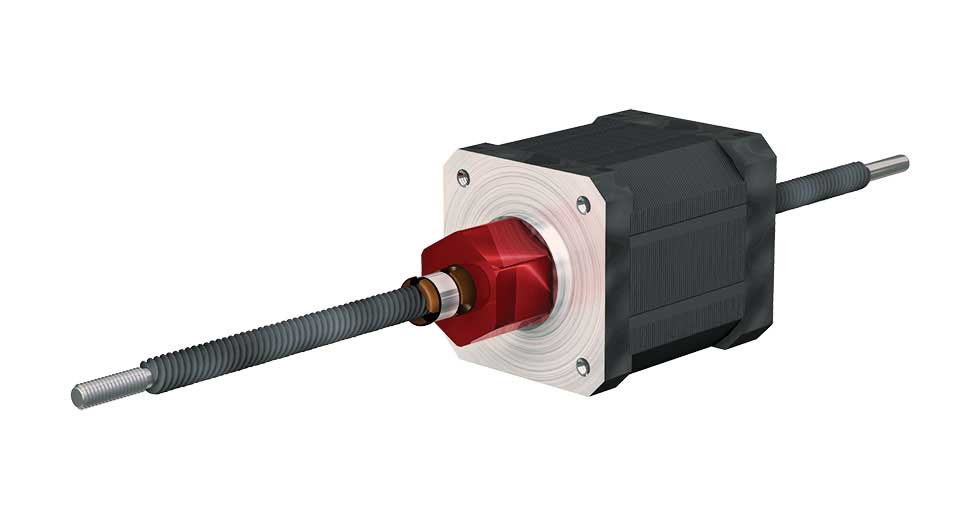
Lead Screw Linear Actuator - LSR0601T-0250-NCF171-NNN-NNN - Non-Captive NEMA17 Motor - Length: 250mm
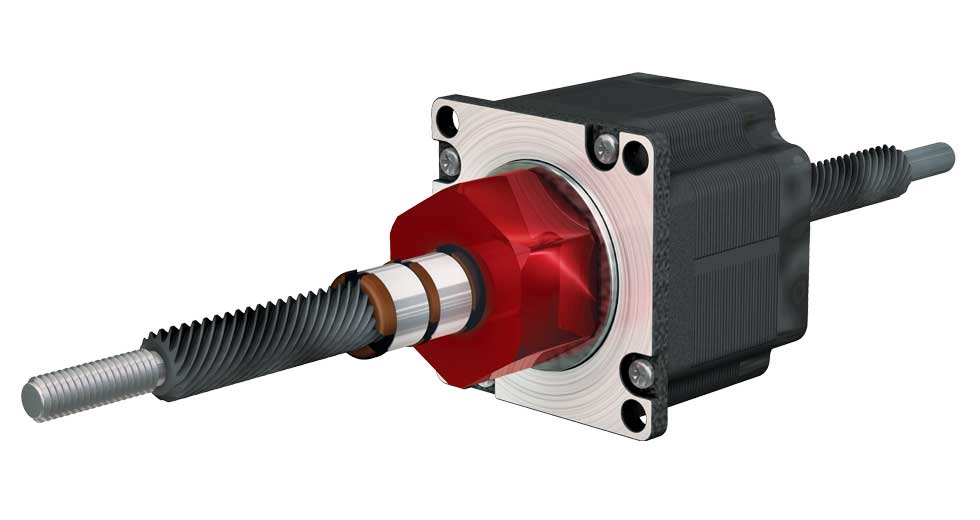
Lead Screw Linear Actuator - LSR1010T-0300-NCF231-NNN-NNN - Length: 300mm, Non-Captive NEMA23 Motor
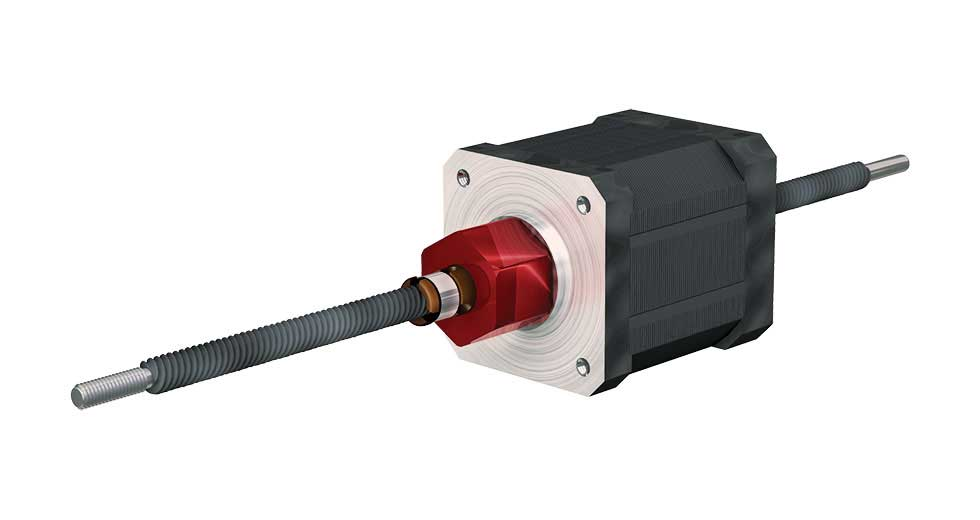
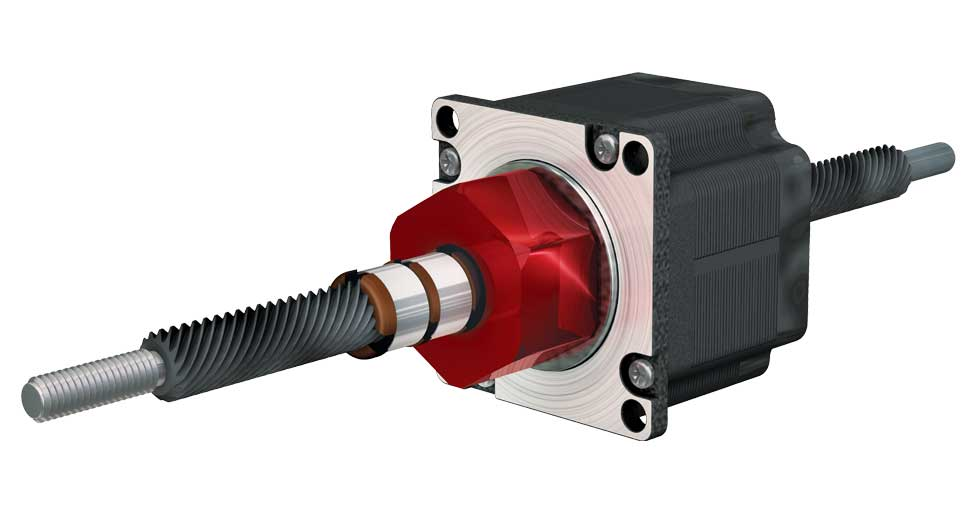
Lead Screw Linear Actuator - LSR1005T-0300-NCF231-NNN-NNN - Length: 300mm, NEMA23 Motor Non-Captive
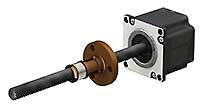
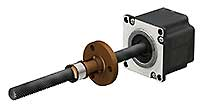
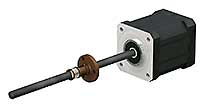
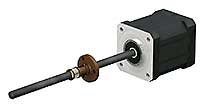
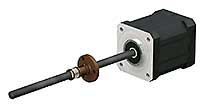
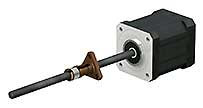
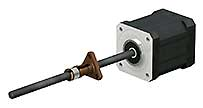
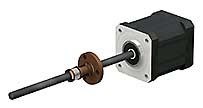
Motorized lead screw linear actuators convert rotary motion into controlled linear motion using a threaded lead screw and matching nut driven by a stepper motor. The lead screw is often PTFE-coated 300 Series stainless steel to reduce friction and prevent flaking, while the nut is typically a self-lubricating Frelon® PTFE-based polymer composite that supports maintenance-free operation. These actuators are commonly available with NEMA frame stepper motors in sizes 11, 14, 17, and 23 for precise control over position, speed, timing, and direction.
Captive lead screw actuators keep the screw from rotating, causing it to extend and retract from the motor body like a guided push rod. Because part of the screw must always remain engaged inside the actuator, captive designs normally travel short distances of approximately 2 to 12 inches (50 to 300 mm) and up to approximately 20 inches (500 mm) with a larger diameter screw. Non-captive lead screw actuators allow the screw to pass through the motor, typically allowing longer travel and more flexible mounting, with external guidance or anti-rotation support supplied by the application.
Both designs provide compact, repeatable linear motion for robotics, automation equipment, CNC machinery, and industrial positioning systems. Each actuator incorporates angular contact bearings within the motor housing to support the lead screw, increase thrust capacity, improve durability, minimize runout, and eliminate axial play. Optional Smart Motor Technology can deliver up to 50% more torque to reduce cycle times and improve overall machine efficiency.
Read more about Lead Screw Linear Actuators
Frequently Asked Questions
What is the difference between external, captive, and non-captive lead screw actuators?
Do lead screw actuators require additional guidance?
Recently Viewed Products
- Choosing a selection results in a full page refresh.
- Opens in a new window.