
Ball Screws
 High Efficiency
 Precision & Rigidity
 Flexible Configuration
 Fast Delivery Options

Performance by Design
Capabilities
Precision Under Load
Engineered for Harsh Environments
Custom Machining & Manufacturing
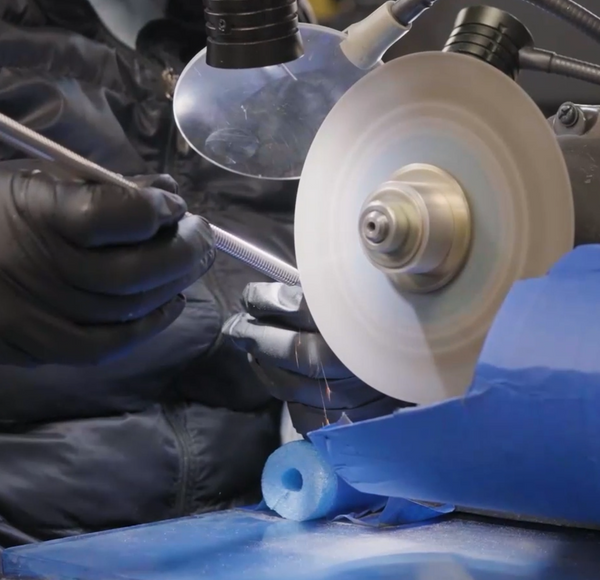
Proudly Based in the USA
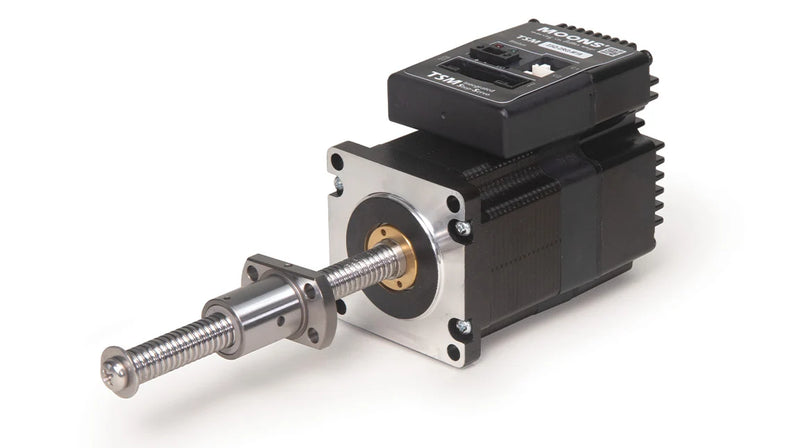
Shop Ball Screws

- Max Load Rating: 4,900 N static, 2,200 N dynamic
- Screw Diameters: 4 mm to 12 mm
- Leads: 1 mm to 10 mm
- Screw Lengths: 50 mm to 500 mm
- Accuracy Grades: ISO 3408 Grade 3 to Grade 10
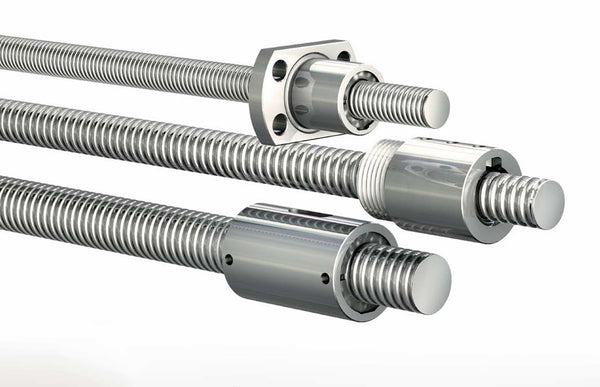
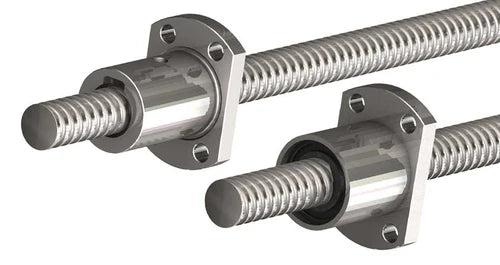
Ball screw assemblies combine a helically grooved steel screw shaft with a matching ball nut containing recirculating ball bearings to convert rotary motion into controlled linear motion that moves and positions a load along a straight axis. Rolling contact between the screw, balls, and nut provides higher mechanical efficiency and lower friction than the sliding contact used in lead screw assemblies. Ball nuts are available in cylindrical, flanged, and externally threaded configurations to accommodate different mounting requirements, while optional preload can reduce axial play and increase rigidity and positional accuracy.
PBC Linear’s ball screw offering includes BSR miniature rolled ball screw assemblies, precision-ground ball screw assemblies, and motorized ball screw linear actuators. The families use different screw sizes, leads, nut styles, motor configurations, and levels of integration, so specifications and sourcing are family-specific. For applications requiring an integrated motor, PBC Linear offers BS, BE, and TSM Series ball screw actuator configurations with motor options that vary by series.
Miniature Rolled Ball Screws
Miniature ball screws are compact screw-and-nut assemblies with small-diameter screws that use recirculating ball bearings in the nut to convert rotary motion into low-friction linear motion. Screw diameter is the nominal outside diameter of the threaded screw, while lead is the axial distance the nut travels during one complete screw revolution. Nut style determines mounting: cylindrical nuts install inside a machine-specific housing, flanged nuts bolt directly to a plate or carriage, and externally threaded cylindrical nuts screw into an internally threaded machine component. Nut fit controls play between the screw and nut; standard fits allow limited backlash, while transitional fits reduce play and may add slight preload.
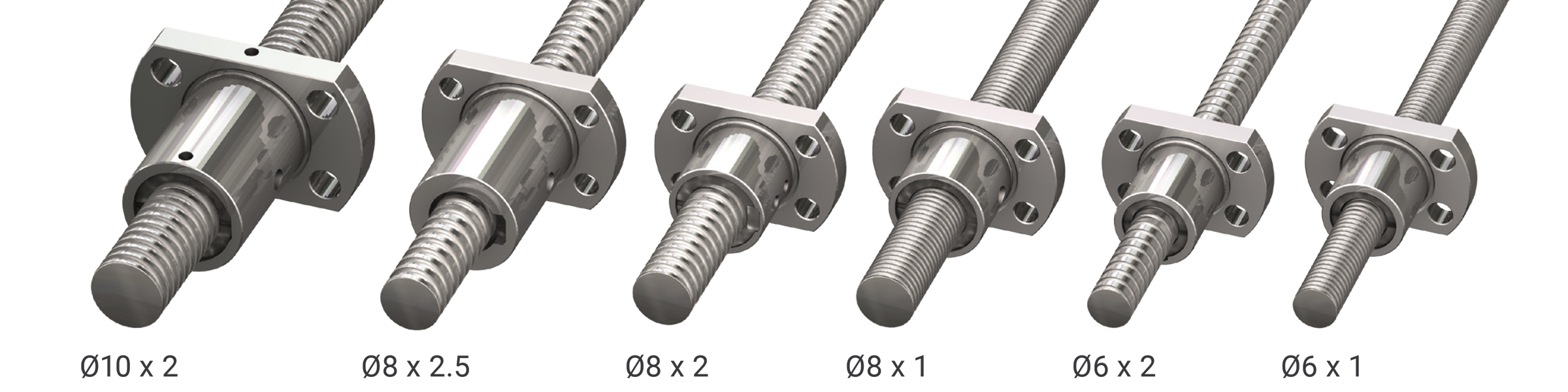
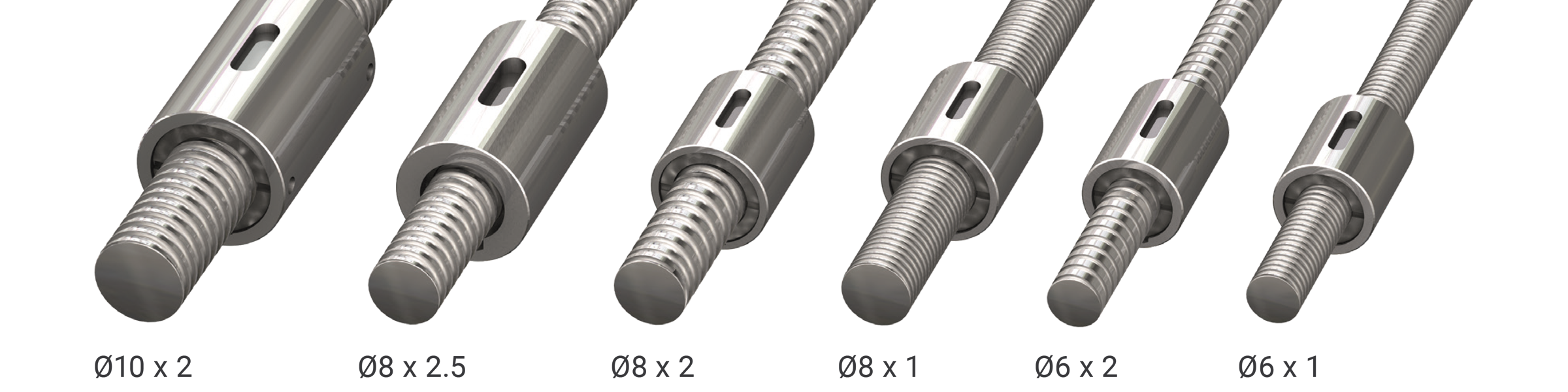
For the BSR miniature rolled family specifically, the PBC Linear catalog identifies the ball screws as made in America using both domestic and foreign material sources. Standard BSR rolled sizes include 6mm, 8mm, and 10mm diameters with 1mm, 2mm, and 2.5mm leads in six diameter-and-lead combinations: 6mm × 1mm, 6mm × 2mm, 8mm × 1mm, 8mm × 2mm, 8mm × 2.5mm, and 10mm × 2mm. Available accuracy grades include Grade 5, Grade 7, and Grade 10.
Precision Ground Ball Screws
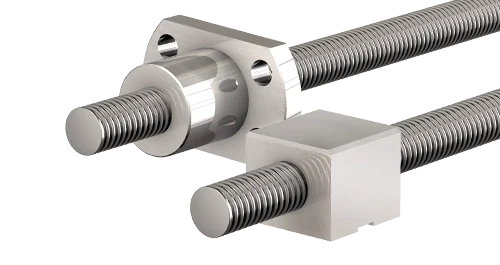
PBC Linear’s precision-ground ball screw assemblies expand the overall ball screw range beyond the BSR miniature rolled sizes. Ground ball screw assemblies are offered with flanged and square nut styles and convert rotary motion into precise linear travel using recirculating balls between a precision-ground screw shaft and mating ball nut. Flanged-nut versions provide the broader size and lead range, while square-nut versions use a compact square body suited to tight housing envelopes or direct mounting into a matching square bore.
Ball Screw Linear Actuators
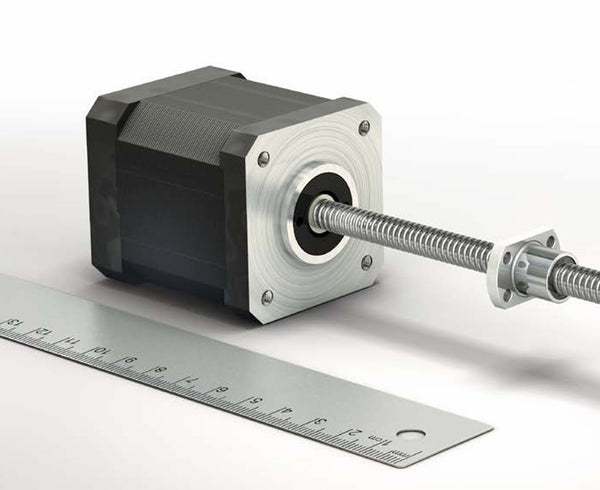
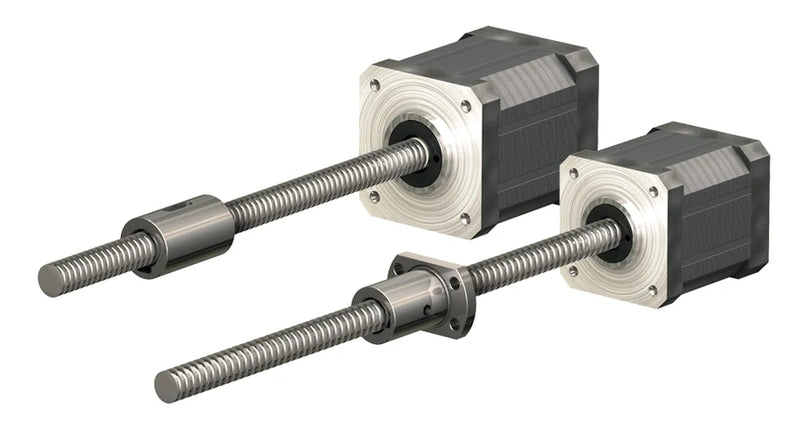
Ball screw linear actuators combine a ball screw, ball nut, and motor to convert motor rotation into controlled linear motion that moves and positions a load along a straight axis. Recirculating balls between the screw and load-carrying nut reduce friction and provide high mechanical efficiency compared with sliding lead screw nuts. In an external-nut ball screw actuator, the motor rotates the screw while the restrained nut carries the attached load axially along it. Flanged nuts provide mounting points for a carriage or plate, while cylindrical nuts offer a more compact profile.
PBC Linear ball screw linear actuators include the BS, BE, and TSM Series. The BS and BE Series use external-nut configurations in which the motor turns the screw and the restrained nut travels axially along it. The BS Series is built around the BSR miniature rolled ball screw family, while the BE Series expands the motorized range with additional screw diameters, leads, motor lengths, and nut options. The TSM Series adds integrated drive, encoder, and controller functionality for an all-in-one step-servo ball screw actuator solution.


Browse Families
-
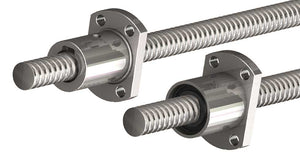 BSR Miniature Ball Screw with Flange Nut
-
 Ground Ball ScrewsAvailable Soon
-
 BSR Miniature Ball Screw with Cylindrical Nut
-
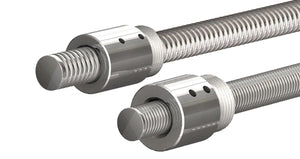 BSR Miniature Ball Screw with Threaded Cylindrical Nut
-
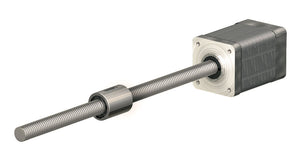 Ball Screw Linear Actuators with Cylindrical Nuts - BS Series
-
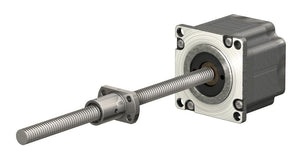 Ball Screw Linear Actuators with Flanged Nuts - BS Series
-
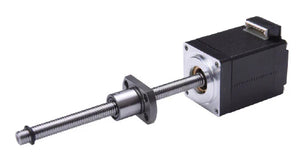 Ball Screw Linear Actuators - BE Series
-
 Integrated Step-Servo Ball Screw Actuators - TSM Series


Filter
Products (143)

Ball screws with flanged ball nuts are mounted to a plate or block using bolts or screws are secured through the provided holes. Flange-style nuts can often be easier to remove and install in an assembly, provided the mounting screws are easily accessible.
- Standard and special machined journals available (Fixed or Floating)
- Fixed and floating end blocks available
- Standard fit nut (0.05mm max backlash)
- For a transitional fit nut (0.008mm to ≤3% preload), visit the configurator
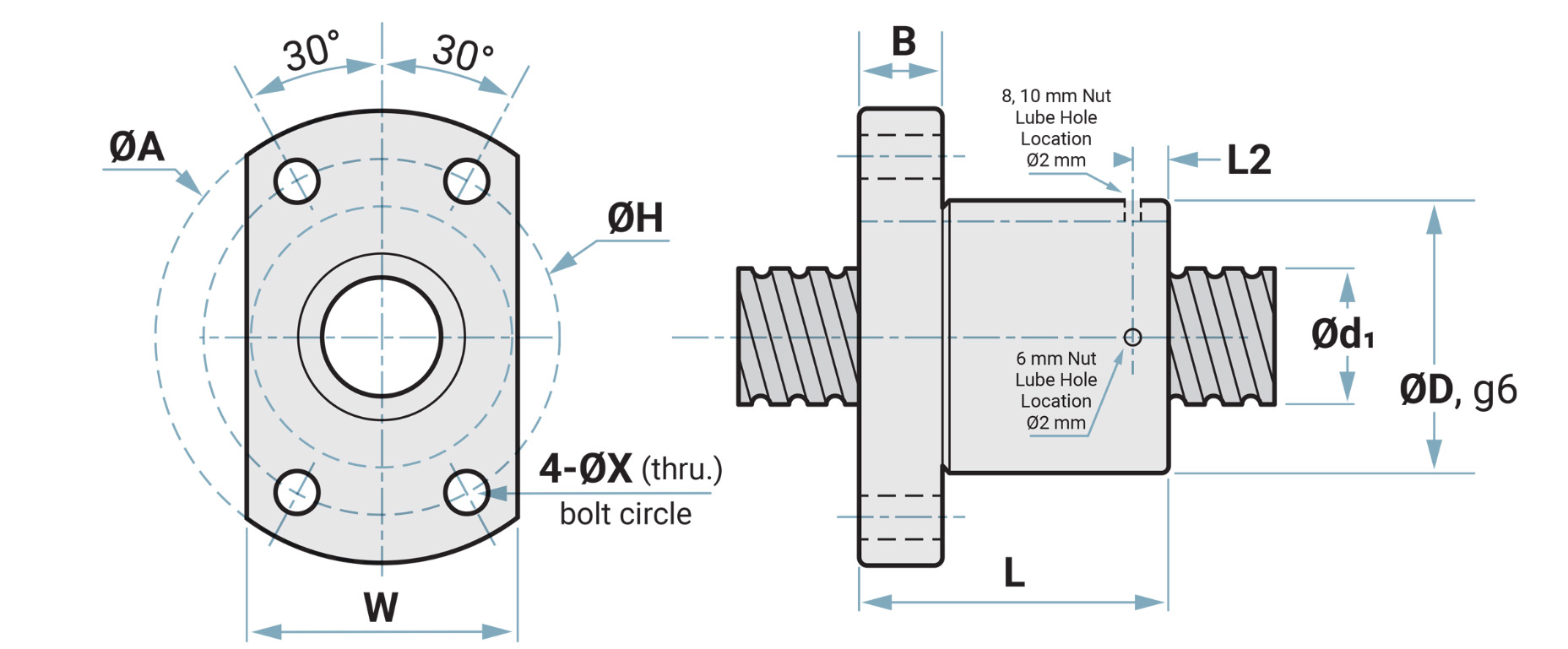
*Full dimensions shown on individual product pages
| Name | Dia. mm | Lead mm | Length mm | Ca (N) | Coa (N) | Price | Actions |
|---|---|---|---|---|---|---|---|
| BSR0601ATXR-0150-FRS-NNN-NNN-N | 6 | 1 | 150 | 740 | 970 | $175.58 | Shop |
| BSR08025T7R-0250-FRS-NNN-NNN-N | 8 | 2.5 | 250 | 1320 | 1700 | $190.28 | Shop |
| Need a size or option not listed? | Configure Custom | ||||||

Ball screws with cylindrical-style nuts allow for a more compact assembly design than their flange counterpart. They mount into specially designed housings, while a keyway in the nut mates with the housing to keep the nut from rotating within the housing.
- Standard and special machined journals available (Fixed or Floating)
- Fixed and floating end blocks available
- Standard fit nut (0.05mm max backlash)
- For a transitional fit nut (0.008mm to ≤3% preload), visit the configurator
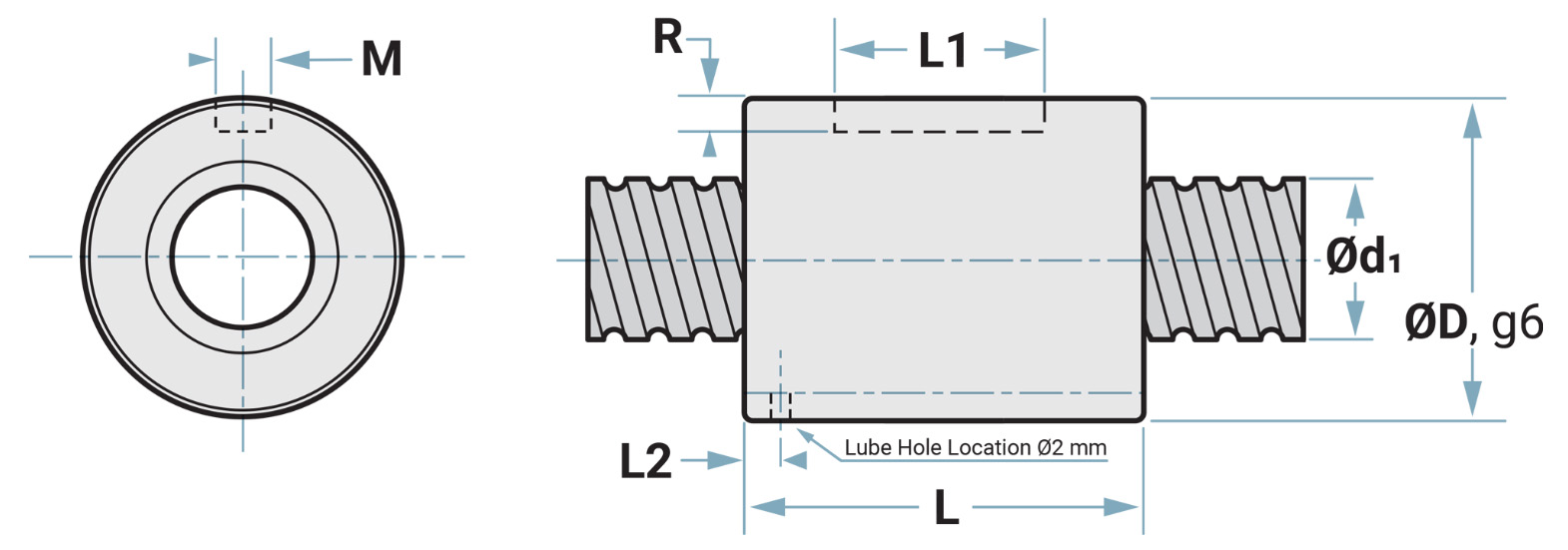
*Full dimensions shown on individual product pages
| Name | Dia. mm | Lead mm | Length mm | Ca (N) | Coa (N) | Price | Actions |
|---|---|---|---|---|---|---|---|
| BSR0601ATXR-0150-CNS-NNN-NNN-N | 6 | 1 | 150 | 740 | 970 | $131.21 | Shop |
| BSR0801ATXR-0150-CNS-NNN-NNN-N | 8 | 1 | 150 | 900 | 1340 | $131.21 | Shop |
| BSR1002ATXR-0500-CNS-NNN-NNN-N | 10 | 2 | 500 | 1490 | 2180 | $165.52 | Shop |
| BSR0801ATXR-0250-CNS-NNN-NNN-N | 8 | 1 | 250 | 900 | 1340 | $141.01 | Shop |
| Need a size or option not listed? | Configure Custom | ||||||

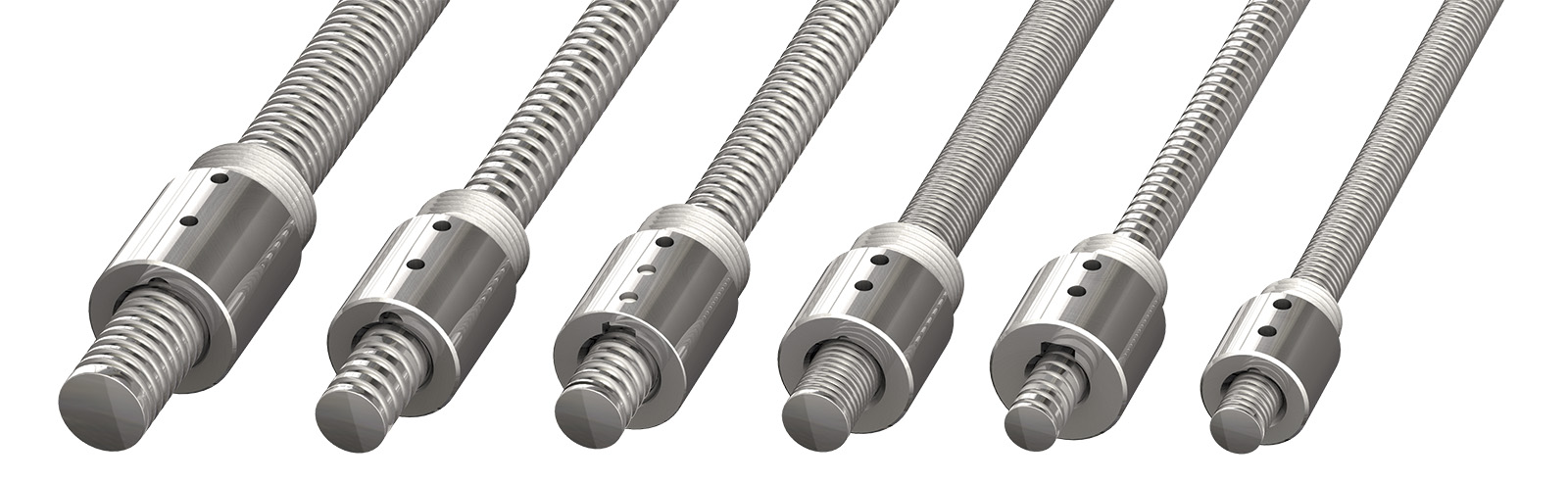
Ball screws with threaded cylindrical-style nuts provide a compact design with external threads for easy mounting. The external threads do not require special housings for mounting and are able to be “threaded in” making them the ideal choice for applications with space constraints.
- Standard and special machined journals available (Fixed or Floating)
- Fixed and floating end blocks available
- Standard fit nut (0.05mm max backlash)
- For a transitional fit nut (0.008mm to ≤3% preload), visit the configurator
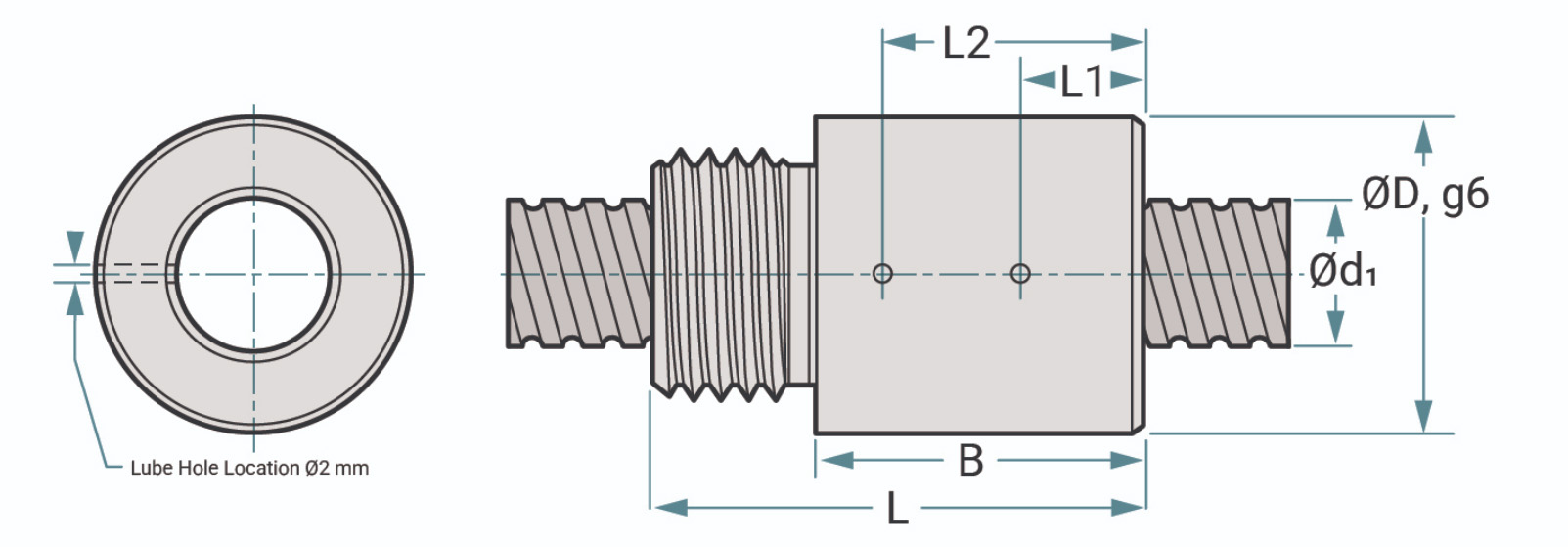
*Full dimensions shown on individual product pages
| Name | Dia. mm | Lead mm | Length mm | Ca (N) | Coa (N) | Price | Actions |
|---|---|---|---|---|---|---|---|
| BSR0602ATXR-0150-TRS-NNN-NNN-N | 6 | 2 | 150 | 1050 | 1140 | $143.33 | Shop |
| Need a size or option not listed? | Configure Custom | ||||||

Ball screw linear actuators with rectangular flanged nuts are motor-driven devices that convert rotary motion into precise linear movement using compact BSR miniature ball screws in 6 mm, 8 mm, and 10 mm screw diameters. 5 mm lead options. The rectangular flanged nut provides a flat mounting surface for direct attachment to plates, blocks, or carriage structures, making installation easier while improving load connection and resistance to nut rotation during axial travel.
*Full dimensions shown on individual product pages

Ball screw linear actuators use a programmable stepper motor, precision ball screw, and recirculating ball nut to convert controlled motor rotation into accurate linear movement. In an external-nut configuration, the motor rotates the ball screw while the restrained nut travels axially in a straight line. The programmable stepper motor controls the actuator’s position, travel speed, acceleration, timing, direction, and number of revolutions, while external guidance supports the load and prevents nut rotation.
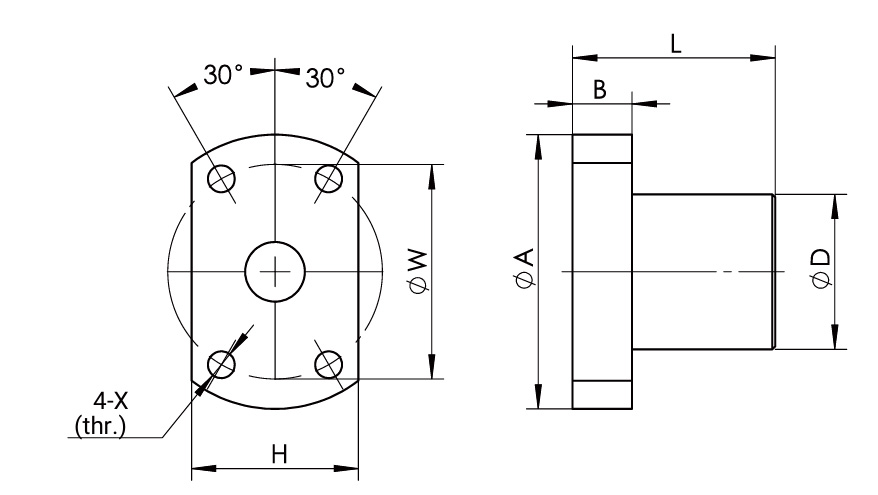
*Full dimensions shown on individual product pages
| Name | Motor | Dia. mm | Lead mm | Length mm | Nut | Amps | Price | Actions |
|---|---|---|---|---|---|---|---|---|
| BE238S-B1010-125-BM1-0-220 | N23 | 10 | 10 | 125 | BM1 | 2.2 | $557.13 | Shop |
| BE238S-B1002-100-AK1-0-220 | N23 | 10 | 2 | 100 | AK1 | 2.2 | $434.05 | Shop |
| BE176S-B0802-125-AK1-0-200 | N17 | 8 | 2 | 125 | AK1 | 2 | $451.77 | Shop |
| BE172S-B0802-125-AK1-0-200 | N17 | 8 | 2 | 125 | AK1 | 2 | $446.35 | Shop |
| BE143S-B0805-125-BU1-0-150 | N14 | 8 | 5 | 125 | BU1 | 1.5 | $506.67 | Shop |
| BE143S-B0801-75-AK1-0-150 | N14 | 8 | 1 | 75 | AK1 | 1.5 | $383.61 | Shop |
| BE111S-B0602-100-AK1-0-100 | N11 | 6 | 2 | 100 | AK1 | 1 | $415.36 | Shop |
| BE111S-B0601-50-AK1-0-100 | N11 | 6 | 1 | 50 | AK1 | 1 | $350.41 | Shop |
| Need a size or option not listed? | Configure Custom | |||||||

Integrated step-servo ball screw actuators combine a hybrid step motor, ball screw, drive, and motion controller in a compact package for controlled linear motion. In the TSM Series, the ball screw is integrated directly with the motor shaft while the ball nut is mounted externally. As the motor rotates the screw, the external nut travels linearly along the screw to move the connected load.
*Full dimensions shown on individual product pages
| Name | Motor | Dia. mm | Lead mm | Length mm | Peak Thrust @ 24 V (N) | Price | Actions |
|---|---|---|---|---|---|---|---|
| TSM23Q-2RG-B1002-155-A1P-S | NEMA 23 | 10 | 2 | 155 | 2200 | $1,042.59 | Shop |
| TSM17Q-2RG-B0802-105-A1P-0 | NEMA 17 | 8 | 2 | 105 | 950 | $995.43 | Shop |
| TSM11Q-2RM-B0602-105-A1P-0 | NEMA 11 | 6 | 2 | 105 | 230 | $803.08 | Shop |
| TSM11Q-2RM-B0602-55-A1P-0 | NEMA 11 | 6 | 2 | 55 | 230 | $790.90 | Shop |
| TSM11Q-2RM-B0601-105-A1P-0 | NEMA 11 | 6 | 1 | 105 | 440 | $776.64 | Shop |
| TSM11Q-2RM-B0601-55-A1P-0 | NEMA 11 | 6 | 1 | 55 | 440 | $765.23 | Shop |
| TSM08X2L-R-B0401-55-A1P-0 | NEMA 08 | 4 | 1 | 55 | 220 | $938.37 | Shop |
| Need a size or option not listed? | Configure Custom | ||||||
BSR Series Specifications and Options
- BSR miniature ball screw assemblies without integrated motors
- BSR catalog origin statement: made in America using both domestic and foreign material sources; precision-rolled 1050 steel ball screws
- BSR rolled ball screw diameters: 6mm, 8mm, and 10mm
- BSR rolled lead sizes: 1mm, 2mm, and 2.5mm
- Six standard BSR rolled sizes: 6mm × 1mm, 6mm × 2mm, 8mm × 1mm, 8mm × 2mm, 8mm × 2.5mm, and 10mm × 2mm
- Cylindrical, flanged, and externally threaded ball nut configurations
- Multi-liner ball-return system on cylindrical and flanged nuts
- Polymer wipers on cylindrical and flanged nuts help exclude debris and retain lubrication
- Standard backlash: 0.05mm maximum; preload and transitional-fit options available
- Ball nut static axial load rating up to 2.18 kN, depending on diameter and lead
- Configurable screw-end journals and end supports
Ball Screws with Externally Threaded Nuts
Externally threaded cylindrical ball screw nuts mount directly into internally threaded machine components, eliminating the external flange used on flanged nuts and reducing the space required around the nut. External-thread nut options are available with the threads on the left or right. These nuts do not include polymer wipers, helping preserve their compact threaded mounting profile.
Performance Benefits of Miniature Ball Screws
- Compact Design: Cylindrical nuts enable more compact assembly designs, while flange nuts offer easy mounting options.
- High Load Capacity: Ball nut static axial load ratings reach up to 2.18 kN, depending on diameter and lead.
- Debris Prevention: Polymer wipers at each nut end help keep out debris and retain lubrication.
- Versatile Mounting: Standard and special machined journals, along with fixed and floating end blocks, support diverse mounting needs.
- Customization Options: Custom ball screw designs are available for specific application requirements.
- Ease of Assembly: Available as assembled and unassembled units for flexibility during machine assembly.
- Durability: The multi-liner ball-return system supports smooth, long-lasting operation.
- Backlash Options: Standard fit nuts have 0.05mm maximum backlash; reduced-backlash nuts are available with 0.013mm maximum backlash and no preload; transitional-fit nuts range from ≤0.008mm backlash to <3% preload.
Ground Ball Screw Specifications
- Ground nut styles: flanged and square
- Flanged-nut ground ball screws: 4mm, 6mm, 8mm, 10mm, and 12mm screw diameters, with 1mm, 2mm, 5mm, 6mm, and 8mm lead options across the lineup
- Square-nut ground ball screws: 6mm and 8mm screw diameters with 1mm lead
- Accuracy grades: Grade 3 and Grade 5
- Load ratings across the ground family: 420–2,200 N dynamic and 570–4,900 N static; square-nut models range from 560–650 N dynamic and 950–1,300 N static
- Overall lengths: 60–240mm for flanged-nut models and 90–160mm for square-nut models
Ball Screw Linear Actuator Specifications and Options
- Ball screw linear actuators for controlled, load-carrying linear motion, with integration level varying by series
- BS and BE Series external-nut actuator configurations; TSM Series integrated step-servo ball screw actuator configurations
- BS/BE frame sizes include NEMA 08, 11, 14, 17, and 23; TSM frame sizes include NEMA 08, 11, 17, and 23
- BS Series catalog-listed screw diameters: 6mm, 8mm, and 10mm, with compatibility depending on motor size and configuration
- BS Series catalog-listed lead options: 1mm, 2mm, and 2.5mm
- BS Series: cylindrical and flanged ball nut configurations; BE Series: multiple nut options depending on screw and motor configuration
- BSR/BS catalog accuracy grades: Grade 5, Grade 7, and Grade 10; catalog V300p tolerances over 300mm are 23µm, 52µm, and 210µm respectively
- BS Series standard backlash: 0.05mm maximum; preload optional
- BS Series ball nut static axial load ratings up to 2.18 kN; BS motor mechanical axial limits vary by motor frame size
- BS Series polymer wipers help exclude debris and retain lubrication
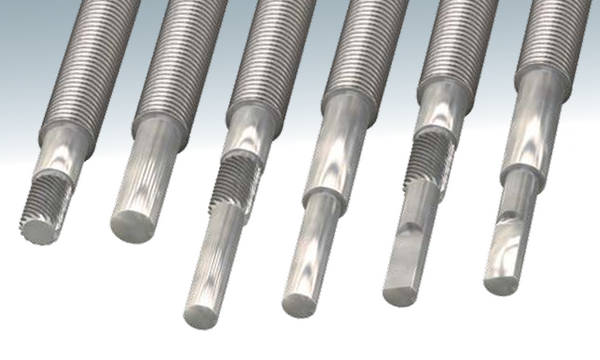
- BS Series standard and custom machined journals available on one or both screw ends
- BS Series fixed and floating end blocks available for screw support, alignment, and thermal expansion
- BS Series standard BSR sizes: 6mm × 1mm, 6mm × 2mm, 8mm × 1mm, 8mm × 2mm, 8mm × 2.5mm, and 10mm × 2mm
- BE Series screw diameters: 4mm, 6mm, 8mm, 10mm, and 12mm
- BE Series lead options: 1mm, 2mm, 2.5mm, 4mm, 5mm, 8mm, and 10mm, depending on screw diameter and motor frame
- BE Series frame sizes: NEMA 08, 11, 14, 17, and 23, with multiple motor body lengths and nut options
- BE Series ball screws use a gothic-arch groove profile; preload can reduce axial clearance to zero for increased rigidity
- BE Series transmission efficiency is listed at over 90%
- BE Series customization includes ball screw length, end machining, nut style, and mounting options
Miniature Ball Screw Linear Actuators - BS Series
Miniature ball screw linear actuators use small-diameter ball screws to convert rotary motor motion into precise linear movement in compact automation systems. The BS Series uses an external-nut configuration in which the motor rotates the ball screw, forcing a restrained external ball nut to travel axially along it. The BS Series combines miniature NEMA motors, precision ball screws, and factory-aligned components in established configurations.
Available with NEMA 08, 11, 14, 17, and 23 motor frame sizes, BS Series configurations use 6mm, 8mm, and 10mm diameter ball screws depending on motor size and configuration. The BSR/BS catalog identifies these ball screws as precision-rolled 1050 steel and lists Grade 5, Grade 7, and Grade 10 accuracy options. PBC Linear also uses an automated straightening process to control ball screw runout and straightness.
Unlike lead screw actuators, ball screw actuators use recirculating steel balls between the screw and nut to reduce friction, increase efficiency, and support higher-speed motion with less drive torque. This makes miniature ball screw actuators well suited for compact machines that need accurate positioning, smooth travel, and durable performance in a small package.
BE Series Ball Screw Driven Linear Actuators
The BE Series products are designed around hybrid step motors, ball screws, and nuts to provide high torque, high precision, and high efficiency. The series uses an external-nut ball screw shaft architecture and is offered in NEMA 08, 11, 14, 17, and 23 frame sizes with multiple motor lengths and nut options.
The BE Series configuration table expands the motorized ball screw range to 4mm, 6mm, 8mm, 10mm, and 12mm nominal screw diameters. Available lead options include 1mm, 2mm, 2.5mm, 4mm, 5mm, 8mm, and 10mm depending on screw diameter and motor frame. The data sheet documents standard model configurations as well as additional configurable and custom options.
TSM Series Integrated Step-Servo Ball Screw Actuators
The TSM Series integrates the ball screw, drive, encoder, and controller into the stepper motor to provide an all-in-one ball screw actuator solution. The current TSM data sheet lists four frame sizes - NEMA 08, 11, 17, and 23 - with multiple ball screw options and standardized product models for quick response. Closed-loop step-servo control provides position and velocity feedback, while the integrated architecture reduces the number of separate motion-control components required in the machine.
TSM Series Specifications and Options
- TSM08: 4mm screw diameter with 1mm lead
- TSM11: 6mm screw diameter with 1mm, 2mm, 6mm, or 10mm leads
- TSM17: 8mm screw diameter with 1mm, 2mm, 2.5mm, 5mm, 8mm, or 12mm leads
- TSM23: 10mm screw diameter with 2mm or 4mm leads, and 12mm screw diameter with 2mm, 4mm, 5mm, or 10mm leads
- TSM08, TSM11, and TSM17 catalog accuracy options include C5/C7, with B08025 listed as C7 only; TSM23 is listed as C7
- Operating temperature listed for TSM08, TSM11, TSM17, and TSM23: 0°C to +50°C
- TSM17/23 use a 20,000-count/rev encoder and TSM11 uses a 4,096-count/rev encoder for closed-loop positioning
- Integrated controls support functions such as pulse command, programmable motion, and Modbus/RTU depending on model
- TSM17/23 fieldbus products support RS-485/Modbus-RTU daisy-chain communication
- Standardized configurations are documented for quick response, with additional customized configuration options available
Ball Screw Linear Actuator Performance Benefits
- Compact Design: BS Series cylindrical-style nuts allow for a compact assembly, while BE Series configurations provide multiple nut and motor-size options to fit space-constrained applications.
- Versatile Compatibility: The BS Series uses six standard BSR diameter-and-lead combinations, while the BE Series expands the range to 4–12mm screw diameters and lead options from 1–10mm depending on configuration. Both series span NEMA 08, 11, 14, 17, and 23 frame sizes.
- High Performance: Ball screw architectures reduce friction and support efficient motion; the BE Series data sheet lists transmission efficiency at over 90%.
- Robust Load Handling: For the BS Series, motor mechanical axial limits vary by frame size: 135 N for NEMA 8 and 11, 320 N for NEMA 14 and 17, and up to 1,050 N for NEMA 23.
- Debris Protection: BS Series polymer wipers at each nut end help prevent the ingress of debris and particulates, supporting durability and service life.
- Precision and Rigidity: BS Series standard no-preload configurations hold backlash to 0.05mm maximum; the BE Series gothic-arch groove profile can be preloaded to reduce axial clearance to zero for increased rigidity.
- Customization and Flexibility: BS Series options include standard and special machined journals, fixed or floating supports, and assembled or unassembled configurations. BE Series customization includes ball screw lengths, end machining, nut style, and mounting options.
- Integrated Motion Control: TSM Series combines the ball screw, motor, drive, encoder, and controller in one actuator platform, with closed-loop step-servo control for precise positioning, smooth operation, and responsive motion.
- Durability: BS Series wipers support debris resistance, while the BE Series data sheet specifies heat-treated screw, nut, and ball materials with minimum ball screw component hardness at 58 HRC.
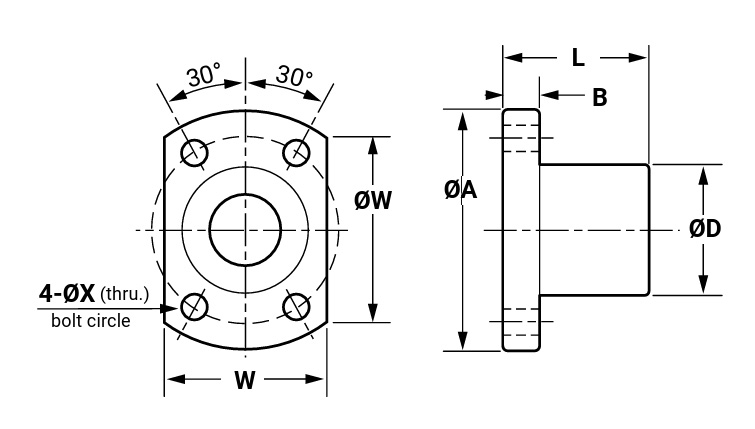
BSR Miniature Ball Screw with Flange Nut
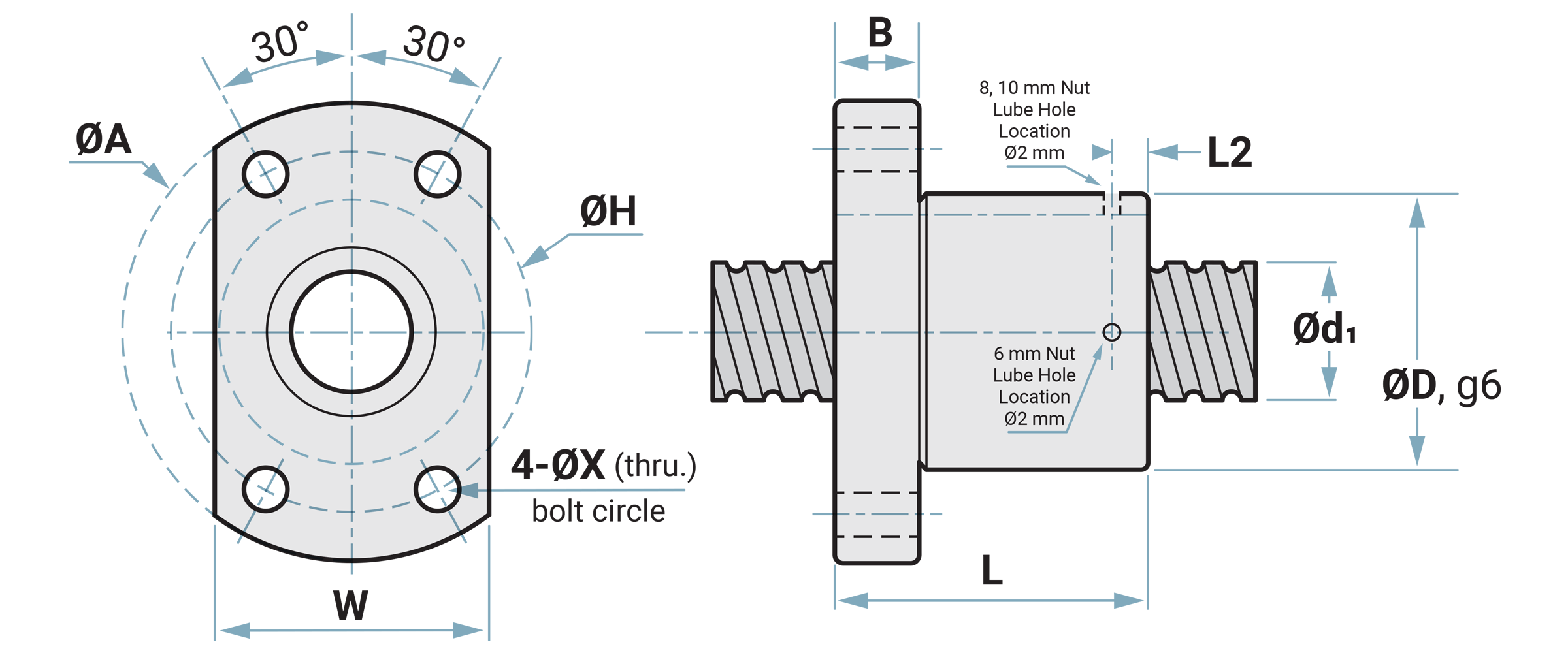
| Dia. x Lead mm |
ØD mm |
ØA mm |
B mm |
L mm |
L2 mm |
ØH mm |
W mm |
ØX mm |
|---|---|---|---|---|---|---|---|---|
| 6 x 1 | 12 | 24 | 3.5 | 15 | 2.4 | 18 | 16 | 3.4 |
| 6 x 2 | 12 | 24 | 4.0 | 17 | 2.4 | 18 | 16 | 3.4 |
| 8 x 1 | 14 | 27 | 4.0 | 16 | 3.2 | 21 | 18 | 3.4 |
| 8 x 2 | 14 | 27 | 4.0 | 16 | 2.1 | 21 | 18 | 3.4 |
| 8 x 2.5 | 16 | 29 | 4.0 | 26 | 4.8 | 23 | 20 | 3.4 |
| 10 x 2 | 18 | 35 | 5.0 | 28 | 5.3 | 27 | 22 | 4.5 |
| Dia. x Lead mm |
Static Coa(kN) |
Dynamic Ca(kN) |
|---|---|---|
| 6 x 1 | 0.97 | 0.74 |
| 6 x 2 | 1.14 | 1.05 |
| 8 x 1 | 1.34 | 0.90 |
| 8 x 2 | 1.70 | 1.32 |
| 8 x 2.5 | 1.70 | 1.32 |
| 10 x 2 | 2.18 | 1.49 |
| Dia. x Lead mm |
Screw OD d1 (mm) |
Screw Root Ø d2 (mm) |
Lead Ph (mm) |
Ball Diameter Dw (mm) |
Starts x Circuits |
|---|---|---|---|---|---|
| 6 x 1 | 5.95 | 5.37 | 1 | 0.8 | 1 x 3 |
| 6 x 2 | 5.95 | 5.13 | 2 | 1.2 | 1 x 3 |
| 8 x 1 | 7.95 | 7.29 | 1 | 0.8 | 1 x 4 |
| 8 x 2 | 7.95 | 7.08 | 2 | 1.2 | 1 x 3 |
| 8 x 2.5 | 7.95 | 7.07 | 2.5 | 1.2 | 1 x 3 |
| 10 x 2 | 9.95 | 9.09 | 2 | 1.2 | 1 x 3 |
The static and dynamic load ratings of PBC Linear ball screws were determined by the ISO 3408 standard calculations.
The dynamic load rating, Ca, is the load at which 90% of properly lubricated identical ball screws will reach 1 x 10⁶ revolutions.
The static load rating, Coa, is an axial static load which will produce a permanent deformation at contact points of the steel balls to ball grooves equal to 0.01% of the ball diameter.
BSR Miniature Ball Screw with Cylindrical Nut
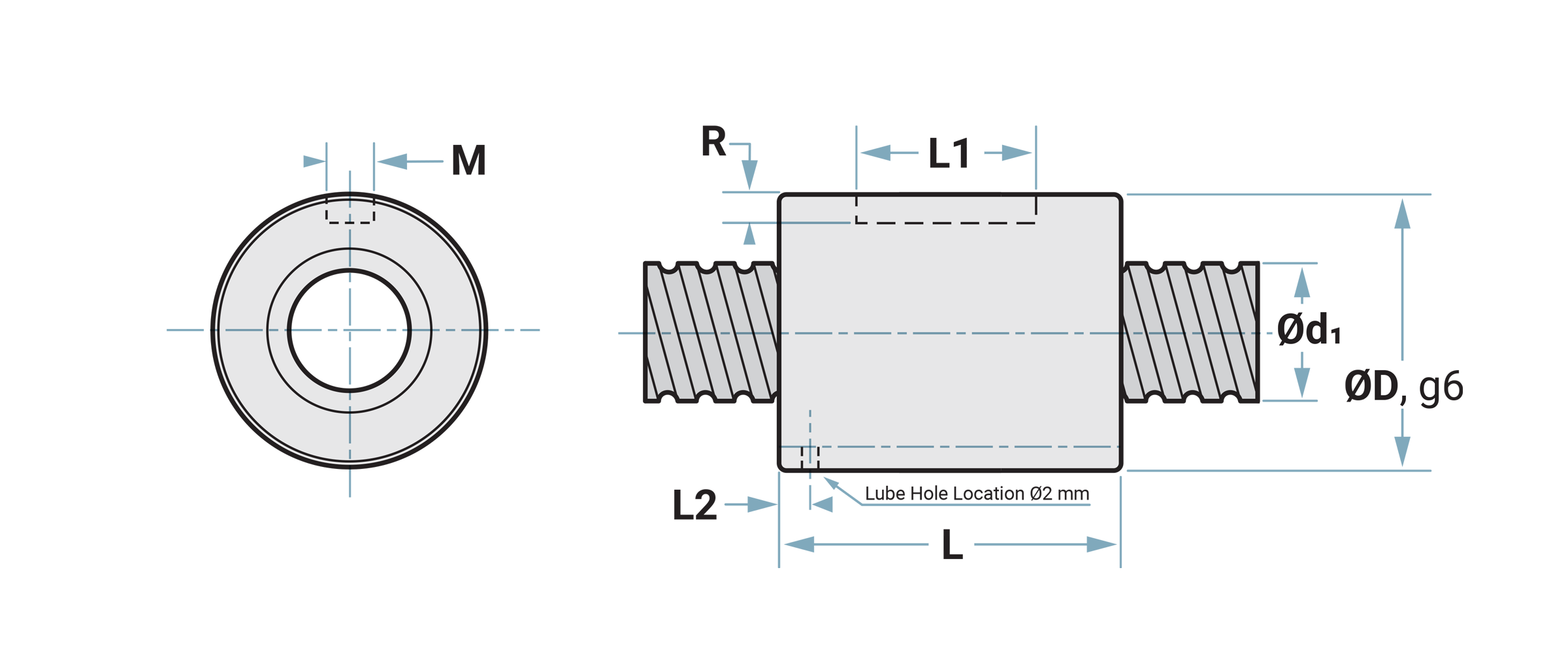
| Dia. x Lead mm |
ØD mm |
L mm |
L1 mm |
L2 mm |
M x R (P9) mm |
|---|---|---|---|---|---|
| 6 x 1 | 12 | 15 | 8 | 2.4 | 2 x 1.2 |
| 6 x 2 | 12 | 17 | 8 | 2.4 | 2 x 1.2 |
| 8 x 1 | 14 | 16 | 8 | 3.4 | 2 x 1.2 |
| 8 x 2 | 14 | 16 | 8 | 2.1 | 2 x 1.2 |
| 8 x 2.5 | 16 | 26 | 10 | 4.8 | 3 x 2 |
| 10 x 2 | 18 | 28 | 10 | 5.3 | 3 x 1.2 |
| Dia. x Lead mm |
Static Coa(kN) |
Dynamic Ca(kN) |
|---|---|---|
| 6 x 1 | 0.97 | 0.74 |
| 6 x 2 | 1.14 | 1.05 |
| 8 x 1 | 1.34 | 0.90 |
| 8 x 2 | 1.70 | 1.32 |
| 8 x 2.5 | 1.70 | 1.32 |
| 10 x 2 | 2.18 | 1.49 |
| Dia. x Lead mm |
Screw OD d1 (mm) |
Screw Root Ø d2 (mm) |
Lead Ph (mm) |
Ball Diameter Dw (mm) |
Starts x Circuits |
|---|---|---|---|---|---|
| 6 x 1 | 5.95 | 5.37 | 1 | 0.8 | 1 x 3 |
| 6 x 2 | 5.95 | 5.13 | 2 | 1.2 | 1 x 3 |
| 8 x 1 | 7.95 | 7.29 | 1 | 0.8 | 1 x 4 |
| 8 x 2 | 7.95 | 7.08 | 2 | 1.2 | 1 x 3 |
| 8 x 2.5 | 7.95 | 7.07 | 2.5 | 1.2 | 1 x 3 |
| 10 x 2 | 9.95 | 9.09 | 2 | 1.2 | 1 x 3 |
The static and dynamic load ratings of PBC Linear ball screws were determined by the ISO 3408 standard calculations.
The dynamic load rating, Ca, is the load at which 90% of properly lubricated identical ball screws will reach 1 x 10⁶ revolutions.
The static load rating, Coa, is an axial static load which will produce a permanent deformation at contact points of the steel balls to ball grooves equal to 0.01% of the ball diameter.
BSR Miniature Ball Screw with Threaded Cylindrical Nut
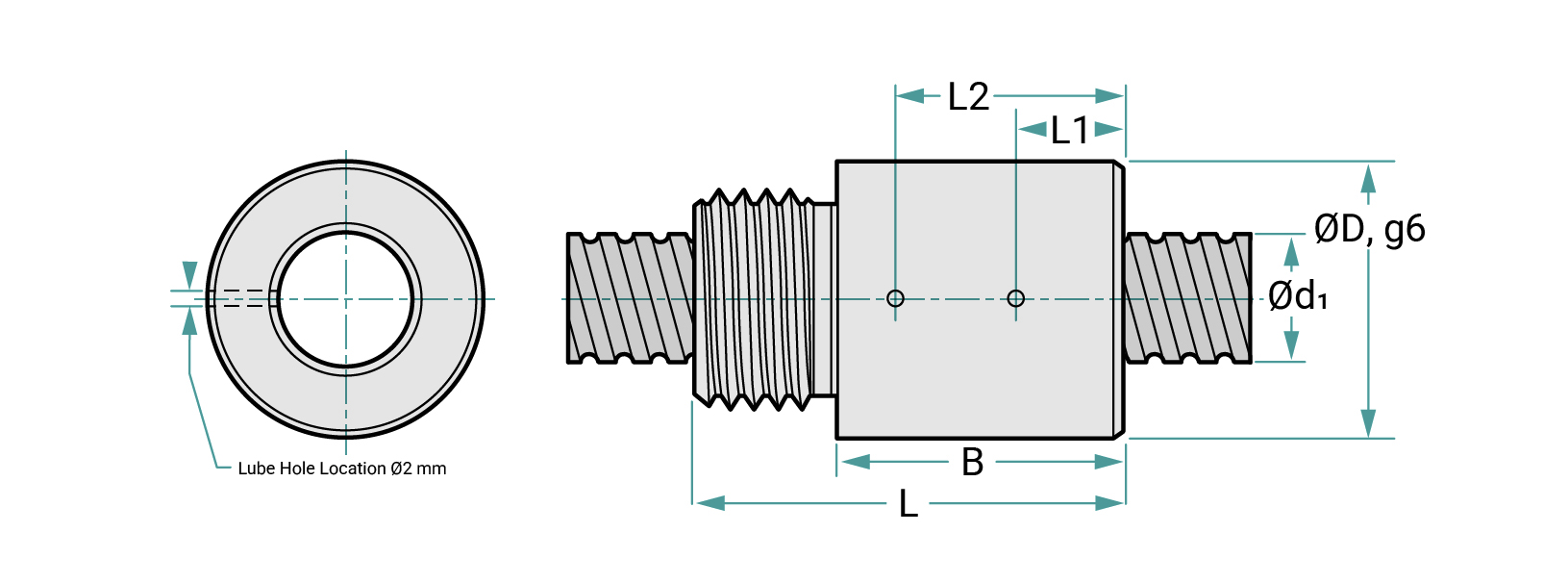
| Dia. x Lead mm |
ØD mm |
B mm |
L mm |
L1 mm |
L2 mm |
External Thread mm |
|---|---|---|---|---|---|---|
| 6 x 1 | 12.5 | 12 | 18 | 4.5 | 9.9 | M10 |
| 6 x 2 | 16.0 | 14 | 22 | 6.4 | 11.7 | M12 |
| 8 x 1 | 16.0 | 14 | 22 | 6.4 | 11.7 | M14 |
| 8 x 2 | 16.0 | 17 | 25 | 2.1 | 8.9 | M14 |
| 8 x 2.5 | 16.0 | 18 | 26 | 7.6 | 15.8 | M14 |
| 10 x 2 | 18.0 | 20 | 28 | 8.9 | 18.0 | M16 |
| Dia. x Lead mm |
Static Coa (kN) |
Dynamic Ca (kN) |
|---|---|---|
| 6 x 1 | 0.97 | 0.74 |
| 6 x 2 | 1.14 | 1.05 |
| 8 x 1 | 1.34 | 0.90 |
| 8 x 2 | 1.70 | 1.32 |
| 8 x 2.5 | 1.70 | 1.32 |
| 10 x 2 | 2.18 | 1.49 |
| Dia. x Lead mm |
Screw OD d1 (mm) |
Screw Root Ø d2 (mm) |
Lead Ph (mm) |
Ball Diameter Dw (mm) |
Starts x Circuits |
|---|---|---|---|---|---|
| 6 x 1 | 5.95 | 5.37 | 1 | 0.8 | 1 x 3 |
| 6 x 2 | 5.95 | 5.13 | 2 | 1.2 | 1 x 3 |
| 8 x 1 | 7.95 | 7.29 | 1 | 0.8 | 1 x 4 |
| 8 x 2 | 7.95 | 7.08 | 2 | 1.2 | 1 x 3 |
| 8 x 2.5 | 7.95 | 7.07 | 2.5 | 1.2 | 1 x 3 |
| 10 x 2 | 9.95 | 9.09 | 2 | 1.2 | 1 x 3 |
Cylindrical nuts that have external threads do not have wipers. The static and dynamic load ratings of PBC Linear ball screws were determined by the ISO 3408 standard calculations. The dynamic load rating, Ca, is the load at which 90% of properly lubricated identical ball screws will reach 1 x 10⁶ revolutions. The static load rating, Coa, is an axial static load which will produce a permanent deformation at contact points of the steel balls to ball grooves equal to 0.01% of the ball diameter.
What is a ball screw?
What is ball screw lead?
What is a ball screw journal?
What is ball screw end machining?
What is end-block machining?
What is the difference between standard and custom ball screw machining?
What is ball screw backlash?
What is ball screw preload?
What is a standard-fit ball screw nut?
What is a transitional-fit ball screw nut?
What is a cylindrical ball screw nut?
What is a flanged ball screw nut?
What is an externally threaded ball screw nut?
What does a ball screw nut keyway do?
What is a ball-return system?
What do polymer wipers do on a ball screw nut?
What is static axial load capacity?
What does ball screw diameter mean?
BSR Miniature Ball Screw with Flange Nut
Why do some ball screw assemblies have polymer seals?
What ball screw precision grades are available?
Where are miniature ball screws commonly used?
Ground Ball Screws
What is the difference between ground and rolled ball screws?
What ball screw accuracy grades are available?
BSR Miniature Ball Screw with Cylindrical Nut
What is the difference between cylindrical and flanged ball screw nuts?
Why are cylindrical ball screw nuts used in compact assemblies?
How is a cylindrical ball screw nut mounted?
What is a keyway in a cylindrical ball screw nut?
Does a cylindrical ball screw nut rotate during operation?
How is cylindrical ball screw nut rotation prevented?
What does precision-rolled mean for a ball screw?
What does a 2.18kN static axial load rating mean?
How do screw diameter and lead affect a miniature ball screw assembly?
BSR Miniature Ball Screw with Threaded Cylindrical Nut
What are externally threaded nuts for ball screws?
What is the difference between Grade 5, Grade 7, and Grade 10 ball screws?
What does ball screw lead mean?
What does an externally threaded ball screw nut do?
What does right-facing external thread mean?
Are left-facing externally threaded ball screw nuts available?
Why do these externally threaded ball screw nuts have no wipers?
What screw diameters and leads are available?
What can be selected through the custom configurator?
Ball Screw Linear Actuators with Cylindrical Nuts - BS Series
What are external lead screw and ball screw actuator systems?
Why would one choose cylindrical nuts for a ball screw assembly?
What is preload in a lead screw or ball screw assembly?
Integrated Step-Servo Ball Screw Actuators - TSM Series
What is the difference between a step-servo ball screw actuator and a standard stepper ball screw actuator?
Does the ball screw move in an integrated ball screw actuator?
What does an integrated drive and controller eliminate?
What is the difference between a ball screw and a lead screw in a linear actuator?
Choose the family you want to configure.
- BSR Miniature Ball Screw with Flange Nut Configure (opens in a new tab)
- BSR Miniature Ball Screw with Cylindrical Nut Configure (opens in a new tab)
- BSR Miniature Ball Screw with Threaded Cylindrical Nut Configure (opens in a new tab)
- Ball Screw Linear Actuators with Cylindrical Nuts - BS Series Configure (opens in a new tab)
- Ball Screw Linear Actuators with Flanged Nuts - BS Series Configure (opens in a new tab)
- Ball Screw Linear Actuators - BE Series Configure (opens in a new tab)
- Integrated Step-Servo Ball Screw Actuators - TSM Series Configure (opens in a new tab)