


What Makes EconoGlide Linear Bearings Different?

Choosing the Right Linear Bearing
PBC Linear offers three core linear bearing technologies to meet different application needs:
If your application prioritizes low maintenance, corrosion resistance, quiet motion, and affordability, EconoGlide is often the best fit.
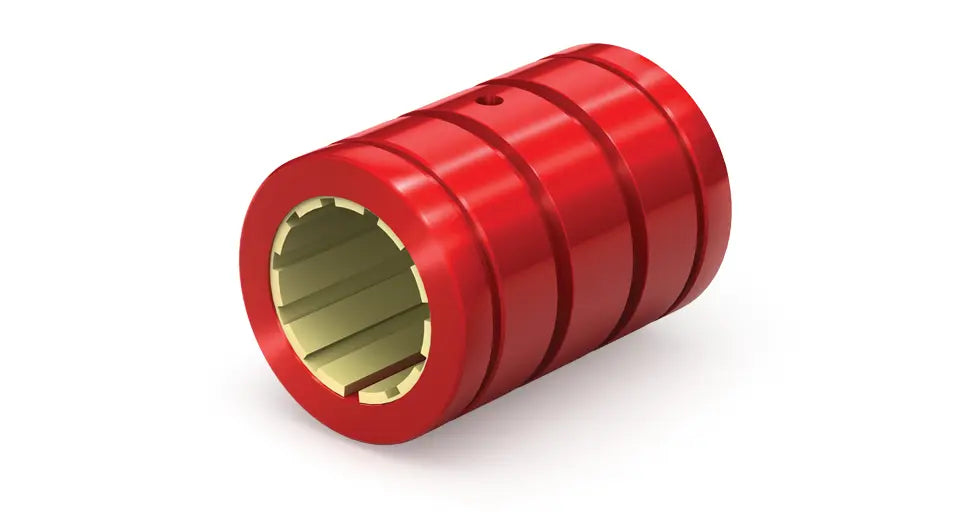
EconoGlide® Plain Linear Bearings
Price Level

Maintenance: Maintenance-Free
Ideal environment: Dusty, light contamination
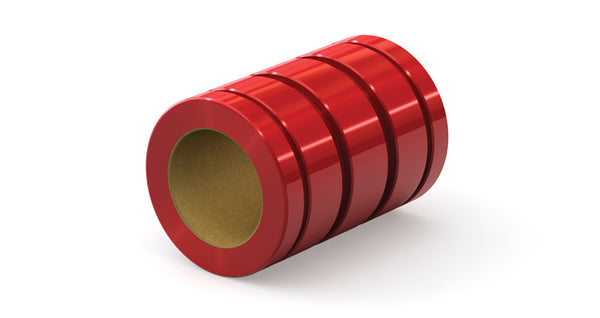
Simplicity® Plain Linear Bearings
Price Level

Maintenance: Maintenance-Free
Ideal environment: Harsh, heavy contamination
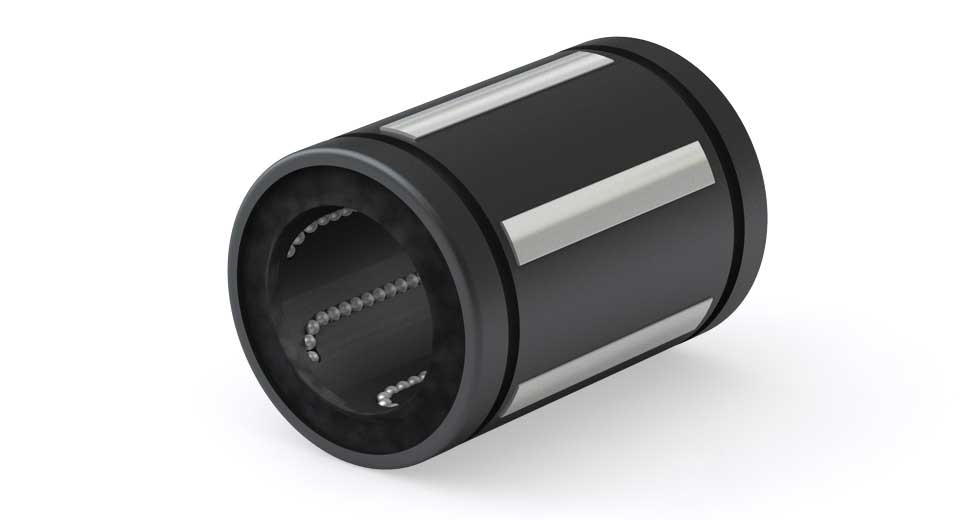
Linear Ball Bearings
Price Level

Maintenance: Requires lubrication
Ideal environment: Clean, controlled
Benefits of EconoGlide Linear Bearings
Designed for Real-World Environments
Dust, debris, and airborne particles can quickly damage ball bearings by contaminating rolling elements and raceways. EconoGlide plain linear bearings are built to handle these conditions with ease. The bearing design incorporates debris-channeling grooves that help move dirt and particles away from the load surface. Combined with the natural wiping action of the bearing material, this feature helps keep shafting clean for smooth motion.
This makes EconoGlide an excellent choice for:
• Packaging machinery
• Light industrial automation
• Material handling systems
• Woodworking and fabrication equipment
• Applications with light contamination or dust

Higher Load Capacity Than Ball Bearings
One of the most significant advantages of plain bearings vs. ball bearings is load distribution. The small contact points on ball bearings limit load capacity. The contact surface of EconoGlide bearings, by contrast, allow for load distribution across a larger surface area.
Because of this surface contact design, EconoGlide bearings can support higher static and dynamic loads than comparable linear ball bearings.

Frelon IM Maximum Performance Ratings:
These ratings make EconoGlide well suited for moderate-load, moderate-speed linear motion applications where strength and durability matter more than ultra-high precision. If higher load capacities are required, Simplicity plain bearings are recommended.

Smooth, Quiet Motion with Vibration Damping
Noise and vibration can shorten machine life and reduce system performance. Because EconoGlide bearings contain no rolling elements, they operate with naturally quiet sliding motion. The Frelon IM liner also helps absorb vibration, which reduces fretting corrosion and wear between components. This results in:
• Quieter machines
• Less vibration transfer to surrounding components
• Improved system longevity

Speed, Friction, and Operating Range
EconoGlide bearings provide dependable performance across a broad operating range.
Performance Highlights:
• Coefficient of Friction (Dry): 0.05–0.15
• Max Linear Speed: Up to 1.5 m/s (intermittent)
• Temperature Range: -58°F to 194°F (long-term)
• Short-Term Temperature Limit: 248°F
While EconoGlide bearings are designed for dry running, optional lubrication with silicone-based oil or grease can further reduce friction when required.

Maximum Performance with Simplicity® 60 Plus Shafting
For optimal life and performance, EconoGlide plain linear bearings pair especially well with Simplicity® 60 Plus shafting. The shaft’s surface finish enhances the break-in and lubricant transfer process, promoting:
- True self-lubrication
- Stable, low friction
- Extended bearing life

Corrosion and Chemical Resistance
EconoGlide bearings are built for environments where exposure to moisture, mild chemicals, or cleaning agents is a concern. The Frelon IM material offers resistance to:
• Oil and grease
• Diluted alkalis
• Weak acids (conditionally resistant)
They are also corrosion resistant and can handle moderate UV exposure, making them a reliable option for a wide range of industrial settings.

Simplified System Design and Easy Installation
Another major advantage of EconoGlide bearings is ease of integration. Unlike some bearing solutions that require hardened shafts or extremely precise housing bores, EconoGlide simplifies system design.
Installation advantages include:
• No critical shaft hardness requirement
• Less demanding housing tolerances
• Lightweight construction
• Easy replacement for reduced downtime
